| 2026 | Quarter 3 | Issue TWENTY-one |
the voyager Newsletter
Welcome to Dupre Marine’s Quarterly Newsletter!
IN THIS ISSUE:
Rusty’s Rundown
The Extra Mile
Rusty’s Roadkill
Fun Fall Quiz
Scenic Views
Calvin’s Corner
Safety Topics
Crew Safety Questionnaires
DMT Anniversaries
Company News & Updates: Vessels and Shoreside
Rusty’s Rundown: hunting safety for fall and winter
Rusty’s Rundown by Rusty Hebert
NOTE: Many of our towboaters hunt during the fall and winter, so this article is timely for cold-weather safety and serves as an important reminder about the cold, damp conditions that will be arriving soon for those working on the boats.
One of my favorite ways to spend time from October 1st to through January 31st is to deer hunt with my family at our camp in Grenada, MS. Around Christmas time is when we really hit the ground running in search of bucks chasing does for the annual rut.
From early December through the end of the season on January 31st are some of the coldest months of the year that we endure in the woods.
The first thing I tell friends and family we bring up there about staying warm is that they should pack in their outer layers rather than wear them when transiting to a desired hunting location we have set up for them. When you’re moving, it’s easy to stay warm. But if you sweat on the way in, you’ll get cold way too fast, and it’ll ruin your hunt. This is hard to do. Some days throughout the last days of the season we occasionally face temperatures that never climb above 30-40 degrees throughout the day. When you know you’re going to walk out into that, it’s easy to talk yourself into wearing extra layers, but that’s a mistake. It’ll be cold for the first few minutes, but that’s so much better than getting to your setup and being sweaty. Base layers, like those made from Sitka "which we personally use", are a huge asset during later hunts. The goal should always be warmth-to-weight because you don’t want to be so bulky you can’t move without making noise. Mid-layers will vary, but I often go with a puffy, full-of-insulation type of jacket if I’m gun-hunting. If I’m bowhunting, it’ll be a heavy vest typically, because I want a little more articulation with my arms to draw my bow. Outer layers are always heavy and contain a key feature that is nonnegotiable for the coldest of hunts. Whatever you use as a next-to-skin and mid-layer is up to personal preference, but your outer layer should be windproof. That is essential. Keeping the wind from leaching through your outer layers is the difference between sitting comfortably for a few hours or being miserable and climbing down early. This goes for arctic fronts are carried on 30 mph winds and the seemingly benign 10 mph wind that doesn’t feel much more than a breeze when you’re loading up your gear in the driveway. Chemical warmers are cheap, and quite possibly, a hunter’s best friend during cold hunts. I used to think they were for, uh, lesser hunters, but then I started taking my young boys out with me. It didn’t take long to realize it was really nice to have warm(ish) toes, hands, and a couple of large hand warmers stuck to my base layers to deliver a few hours of extra heat to my core.
Do what you have to do to keep warm. Pay attention to your hands and your feet, because they’ll get cold first. Wear an extra hat if you need it, load up a muff with hand warmers, and do what you need to stave off the misery. Take notice of how you feel during your hunts to tweak your setup. What gets cold first? What clothing seems to work best for you? Tailor your setup to your needs through some trial and error and keep hunting. While it’s not always easy, or all that enjoyable to sit through blistering cold hunts, it is worth it as long as you figure out how to stay warm. If you don’t, it’s going to be a miserable, short, and likely, unsuccessful hunt.
THE EXTRA MILE
The Voyager Newsletter is spotlighting crew members who went OVER AND ABOVE — those who Go the extra mile and choose to be positive influences on their vessel. Each issue will feature short profiles celebrating exceptional initiative, teamwork, leadership, and acts that elevate safety, service, and morale.
This is what excellence looks like in action, get takeaways you can apply on your own watch, and join us in recognizing the people who make Dupre Marine Transportation stronger every day!
Here are the EXTRA MILE CREW MEMBERS for the ThirdQuarter in 2026:
CAPTAIN ZANE nAQUIN: leveling up ON THE M/v ALVA ANN
Captain Zane brings a whole new meaning to "reflection perfection!"
Take a look at the smokestacks on his boat, the M/V ALVA ANN. He went the absolute EXTRA MILE by not only achieving a mirror shine but also meticulously polishing out the seam until it is practically invisible. Talk about top-tier craftsmanship and #PRIDEINYOURRIDE If you look closely at that flawless shine, you can see a perfect reflection of the boat, sky, clouds and Captain Zane himself!
Zane promised Mrs Alva he would keep it shiny and he is keeping his promise for sure! Way to set the standard for attention to detail.
CREW OF THE M/V MISS GENEVIEVE
Going the Extra Mile is just standard operating procedure for the crew of the M/V MISS GENEVIEVE!
Our Port Captain, Jade, recently received yet another phone call from an outside company wanting to extend a huge shout-out to the M/V MISS GENEVIEVE Crew. They helped another vessel and its crew build a tow, showing their willingness to help goes beyond our fleet!
Taking the time to assist fellow towboaters looks easy when you have a crew this dedicated and more than willing to jump in, but it takes true teamwork, a great attitude, and a commitment to getting the job done safely. Big thanks to Captain James Davis, Relief Captain Cris Simmonds, Bryce Matthews, Ben Stewart, David Berry (and Kyle Robichaux at the time) on the MISS GENEVIEVE for always representing Dupre Marine so well out there on the water and always putting some serious EXTRA MILE TEAMWORK!
Captain Robert “Woody” Stracner on the M/V Kylie Marie
WORKING SMARTER IS GOING THE EXTRA MILE!
Captain Woody Stracner recently found a smarter way to stow the fire hose aboard the M/V KYLIE MARIE. After a firefighter showed him the technique, he thought it would be a great idea for the fire hose on his boat. Watch the video: he now folds the hose in half and rolls it into the basket. The result: the hose deploys quickly, smoothly and cleanly with no snags or hold ups. Rusty got to see it while conducting a fire drill for an audit and was so impressed with this process that he will be implementing this on all vessels!
This way to work efficiently is perfect whether during drills or a real emergency!
Great EXTRA MILE plan Captain Woody!
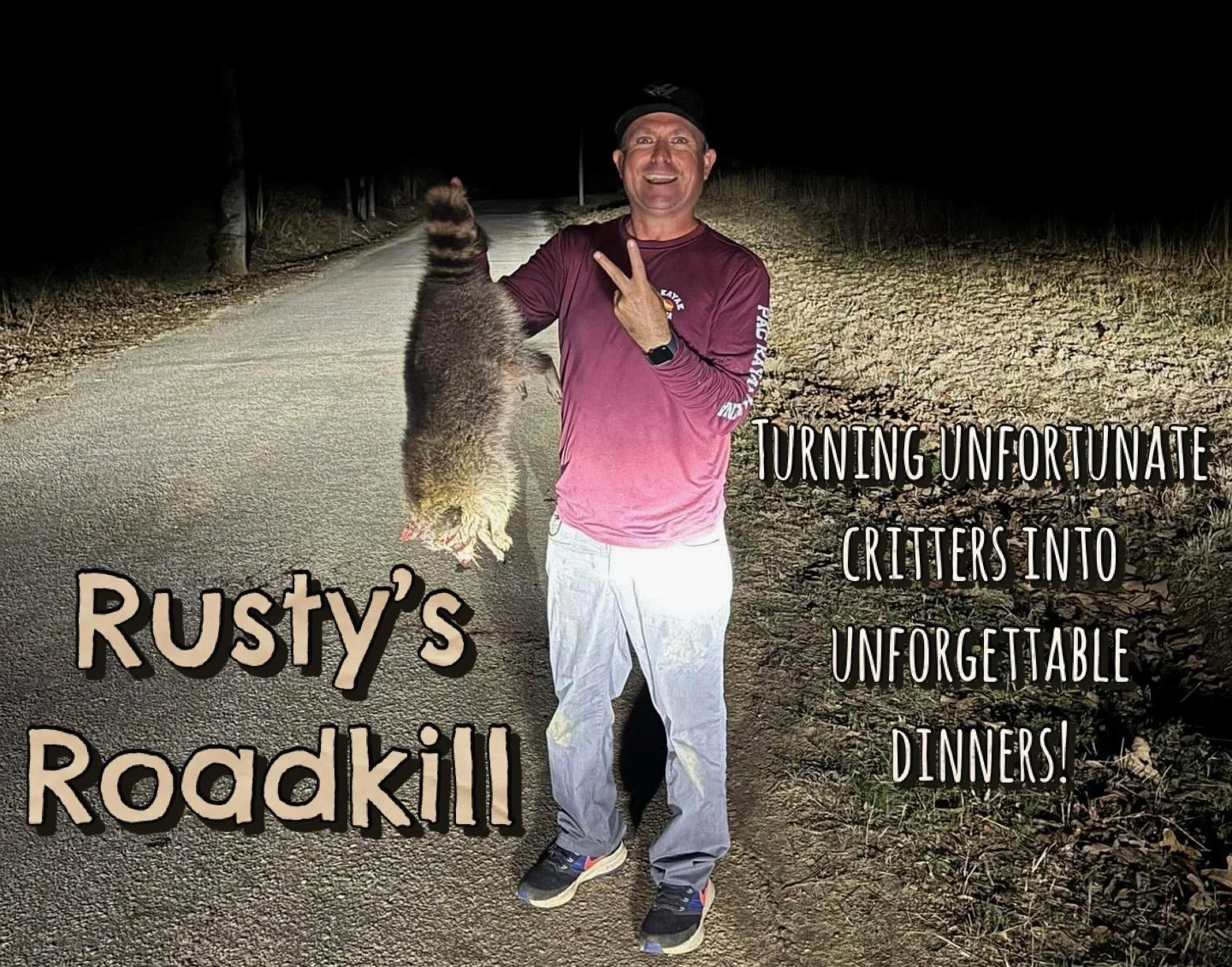
Despite the title, our Safety and Compliance Manager, Rusty Hebert, isn’t actually scraping dinner off the road to his house (or is he?!). But as a born-and-raised Cajun dad, Rusty and his family do spend way more time grocery shopping in the woods and waterways than down the supermarket aisles. And it’s the season for hunting as well as fishing and shrimping so let’s see what Rusty’s cookin up! While the squirrels are gathering nuts in the fall, Rusty is planning his next meal.
On his days off, Rusty trades in his work vest for an apron to share authentic, homegrown recipes straight from his kitchen. If his family hunted it, hooked it, or pulled it out of the bayou, Rusty knows exactly how to season it and cook it!
🪵 Rusty’s recipes include:
Zero grocery receipts—just pure, swamp-to-table goodness.
Genuinely delicious recipes for wild game and fresh-caught fish.
Cajun dad wisdom that you won't find in any compliance manual.
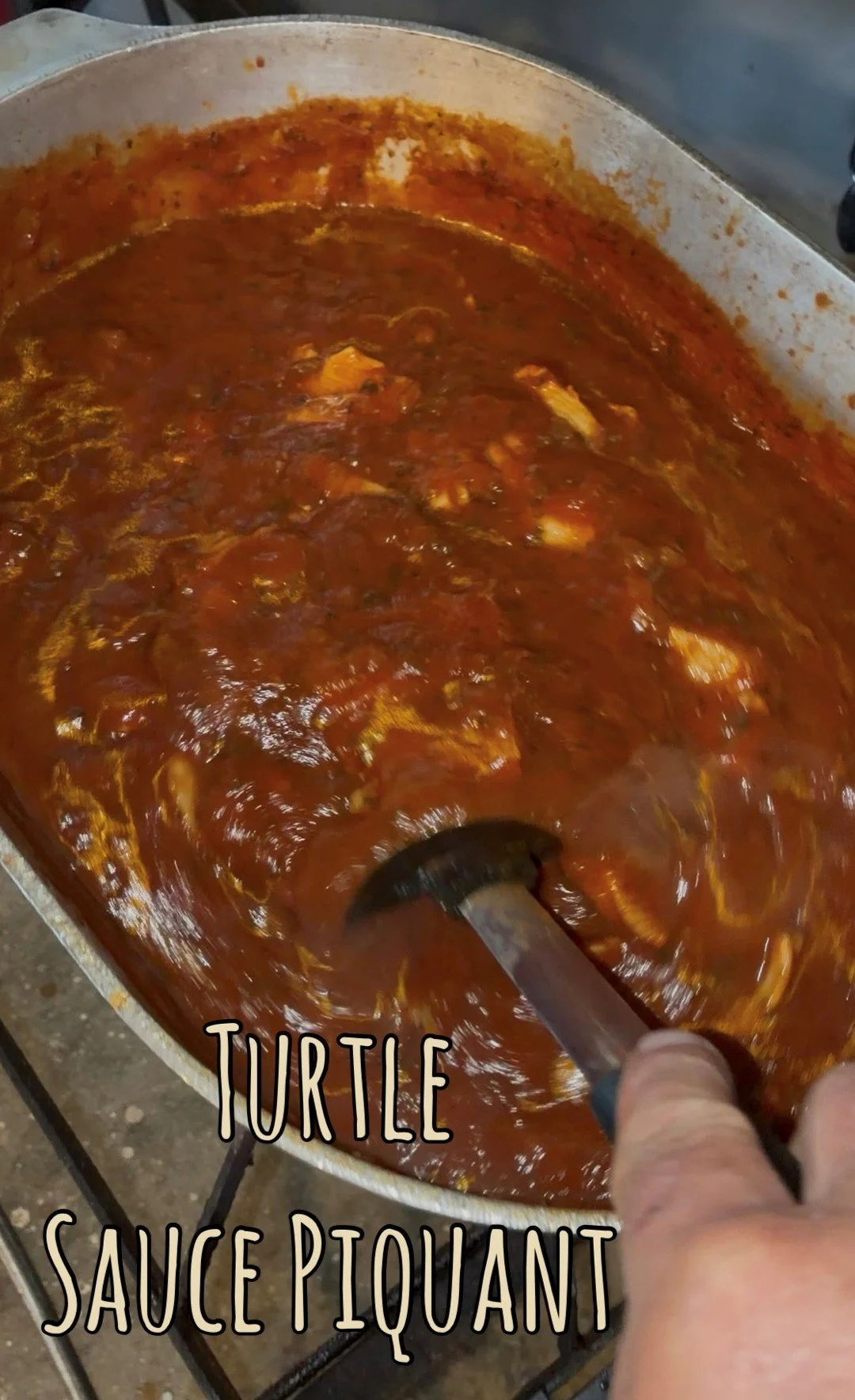
Here is Rusty’s recipe for TURTLE SAUCE PIQUANT:
Ingredients:
1 Cup(s) all purpose flour
32 Ounce(s) beef broth
5 Pound(s) Boneless Turtle Meat
1⁄4 Cup(s) flat leaf parsley chopped
1/2 cup chopped white onion
1/2 cup chopped green bell pepper
1 Bunch(es) green onions chopped (separate white from green)
2 T minced garlic
1 Tablespoon(s) Cajun Seasoning
1 Cup(s) red wine
10 Ounce(s) rotel (diced tomato with green chilies)
3 Tablespoon(s) sugar
15 Ounce(s) tomato sauce
16 Ounce(s) water
Directions:
Wash Boneless Turtle Meat and cut into bite size pieces
Using a large cast iron dutch oven, cover the bottom with oil
Add turtle and season the meat generously with Cajun Seasoning
Brown turtle meat on medium/high
Remove from pot and set aside
Using the remaining oil add ½ cup more and 1 cup flour
Cook on medium/low stirring constantly until dark chocolate brown in color
Add vegetables (onion, bell pepper, and green onion whites) and cook until soft on low heat
Add beef broth, tomato sauce, rotel, water, sugar, and wine
Season to taste with Louisiana Crawfish’s Creole Seasoning
Add Turtle and bring to a boil stirring occasionally
Reduce heat to simmer, cover, and cook 3 hours until meat is tender
Serve over rice
jUST FOR FUN FALL QUIZ!
Grab your pumpkin spice latte, put on your favorite flannel, turn the A/C down to 55 and test your autumn IQ on this quiz full of silly answers!

Charmaine’s Favorite scenic views
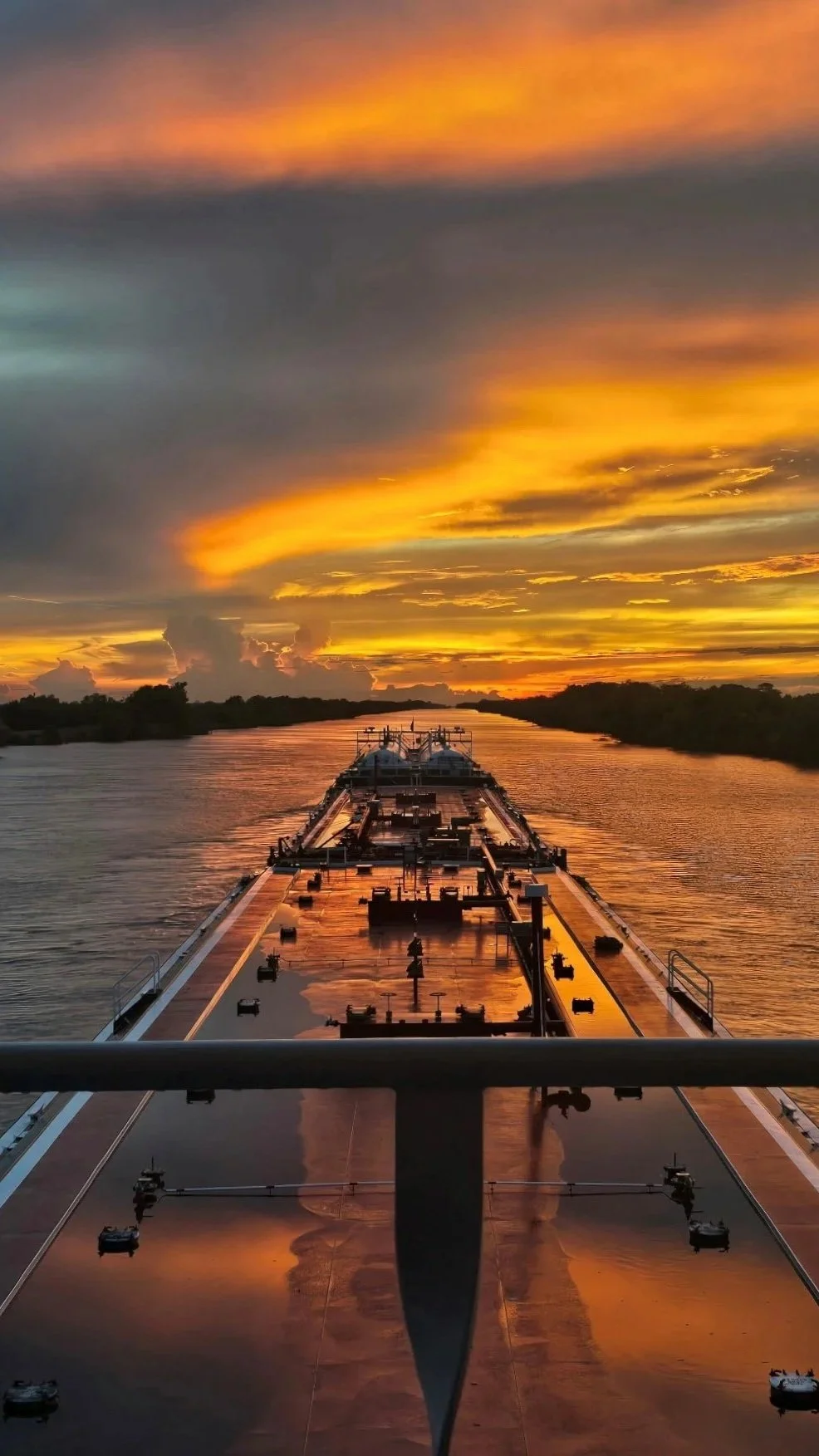
Denise posts them on social and now Charmaine chose her favorite from the Quarter. Always so beautiful its hard to choose! Along with these she also picked the one at the top of the newsletter shared by Tommy Champagne on the M/V PARKER JAMES!
Sunrise in Galveston from Captain James Davis on the M/V MISS GENEVIEVE
Sunrise at Lynchburg from Captain James Davis on the M/V MISS GENEVIEVE
Night lights on the M/V AMBRIE DUPRE from Captain Alex Landry
“And the harvest of righteousness is sown in peace by those who make peace.”
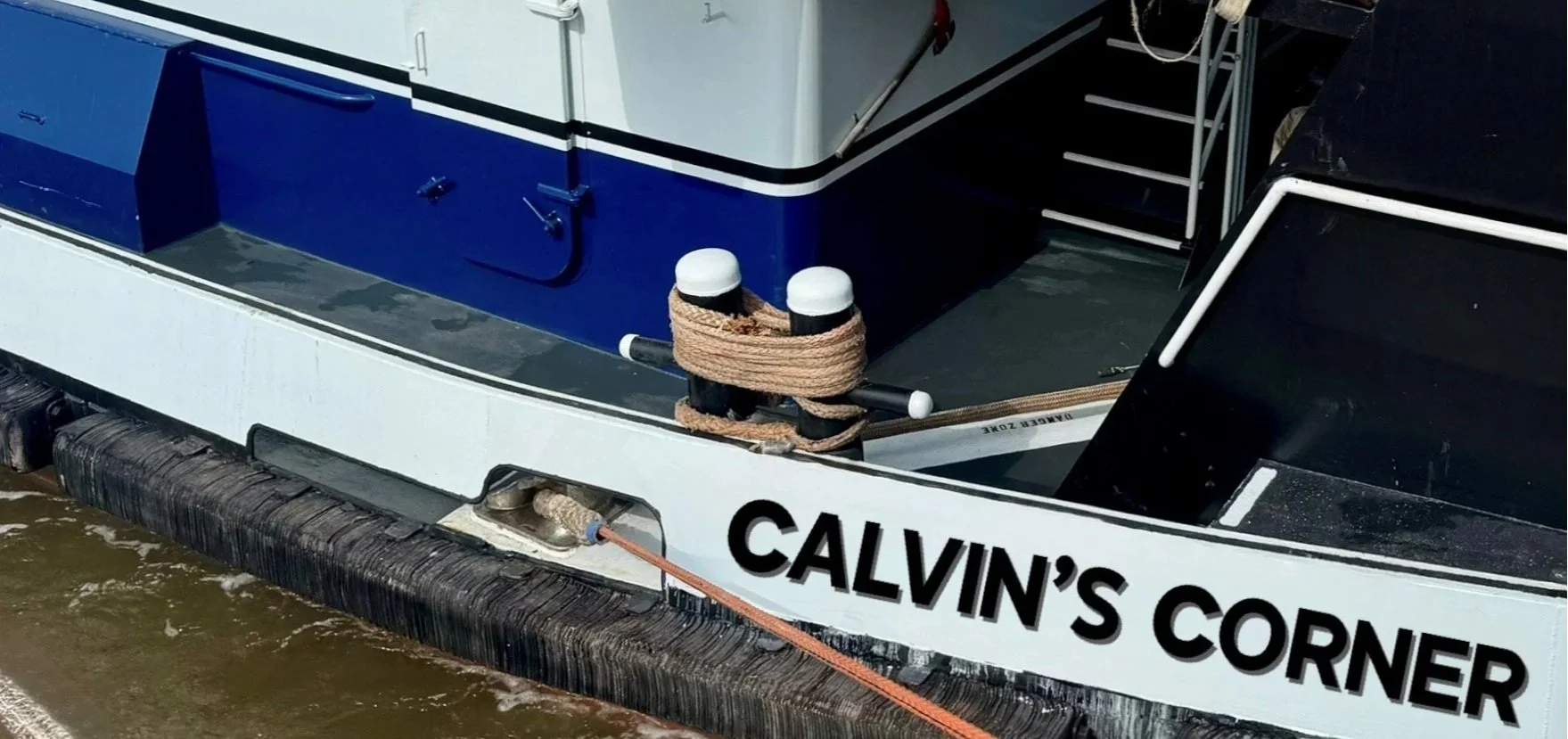
Calvin’s Corner: The Critical Role of Communication on Vessels
Calvin’s Corner by Calvin Self
In the maritime industry, clear and consistent communication isn’t just a best practice—it’s a lifeline. Every day, crews navigate busy waterways, manage heavy tows, and work through changing conditions where a single misunderstood instruction can have serious consequences. From the wheelhouse to the deck and beyond, effective communication keeps people safe, operations smooth, and the entire team aligned.
One practical tool that strengthens this process is the DART Model. DART is a simple four-step communication loop that can be repeated as many times as needed to make sure a directive is clearly sent, understood, confirmed, and completed:
Direct – The sender communicates an order or information.
Acknowledge – The receiver repeats the directive or information back to confirm understanding.
Respond – The sender verifies accuracy (often with a clear “Roger”).
Take Action – The receiver carries out the task and confirms it is complete.
At the heart of every trip is a simple goal: getting home safe to the families waiting for us. Clear communication—using tools like the DART Model and looking out for one another—helps make that possible. When we take the time to direct, acknowledge, respond, and confirm, we protect not only the crew and the tow, but the people who count on us to return.
This closed-loop approach reduces the chance of miscommunication, especially during high-risk moments such as docking. Remember: a Job Safety Analysis (JSA) is required before all docking operations, and if anyone is not comfortable proceeding, they should stop.
At the end of the day, successful vessel operations rest on more than powerful engines and skilled seamanship. They rest on the ability of every person aboard to share information clearly, listen carefully, and look out for one another. Investing in strong communication habits protects our people, our equipment, and the work—and the friendships—we take pride in every day.
SAFETY TOPIC #1: situational awareness
Staying Alert, Staying Safe: Situational Awareness onboard
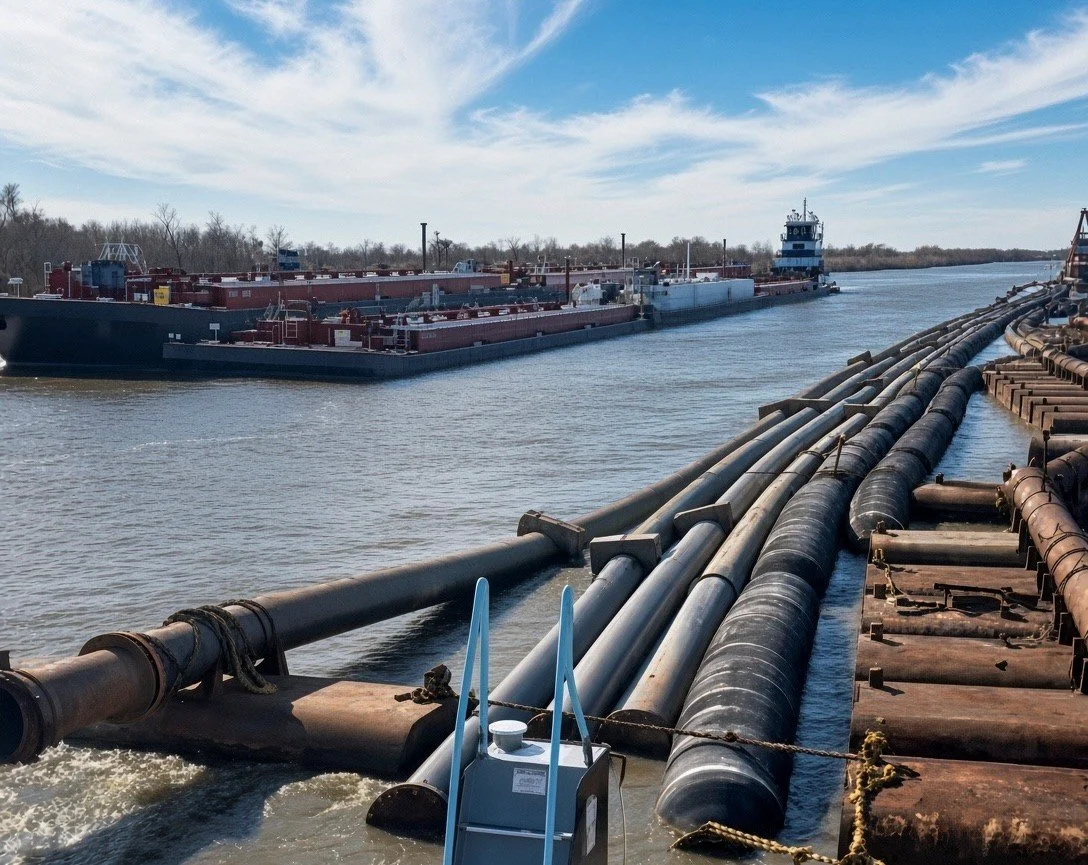
Keep Your Head on a Swivel
Things change in a split second on a towboat. A line shifts, a sudden wake hits, or a blind spot catches you off guard, and a normal day instantly turns into a crisis.
True situational awareness means knowing your surroundings inside and out, spotting hazards before they find you, and thinking a few steps ahead. Whether you’re on the deck, working the barges, up in the wheelhouse, or down in the galley, your awareness is your most important piece of safety gear.
Key practices for the whole crew:
Keep your head on a swivel: Constantly scan your area—look up, down, and behind you.
Listen up: Pay attention to changes in normal sounds. Engine pitches and the sounds of line tension always tell a story.
Watch your step: Keep an eye on the deck. Look out for trip hazards, and watch out for water, oil, or ice (coming soon!) that can take your feet right out from under you.
Know the danger zones: Identify snap-back areas and never stand in the line of fire.
Track the traffic: Watch nearby boats and anticipate their wakes before they hit our hull.
Call out your moves: Never make a blind move. Let the Wheelman on Watch and any fellow crew members on watch with you know exactly where you’re going before you switch positions. Stay in radio contact!
Ditch the distractions: You know you can’t have it on the barge, but otherwise keep your phone tucked away and your mind 100% on the job at hand.
Look out for one another: Keep the communication flowing constantly between the wheelhouse and the deck crew. Use DART!
Hand off a clean watch: Always follow a tight, thorough watch change protocol so the next watch knows exactly what they are stepping into.
The Traps of Complacency
Don’t Let Routine Let Your Guard Down
When you’ve pushed the same barges or run the same stretch of waterway a thousand times, it’s easy for your brain to slip into autopilot. But out here on the water, complacency is our biggest enemy.
The best way to fight "mind drift" is to treat every single watch like it’s your first day on the boat. A solid routine keeps things moving, but don't let comfort blind you to what's happening around you.
This can happen to us on Shoreside also; if you take the same exact way to work/home everyday you feel like you are on autopilot and can miss what is going on around you. It is always good to change up the routine a little to stay aware.
Quick tips to stay sharp on watch:
Reset your focus: Run through a quick, consistent checklist at the start of your shift to get your head in the game.
Mix it up: Change up small habits when you can—take a different path during rounds or switch up the order of your tasks to keep your brain engaged.
Take a look around: Pause every now and then to scan your environment and make sure everything actually looks the way it should.
Report the small stuff: Jot down and pass along even the tiniest issues. Big problems almost always start out as small ones.
Use a second pair of eyes: If a situation looks iffy or ambiguous, double-check it with another crew member.
Take care of yourself: Don’t skimp on sleep or good food. Being tired makes it way too easy to zone out.
Talk it out: Stay in constant communication with the rest of the crew during your watch and at watch change. Talk about what went well and what felt a little sketchy.
At the end of the day, every single watch matters. Staying alert, talking to each other, and speaking up early are the easiest ways to keep everyone safe and make sure we all go home at the end of our hitch.
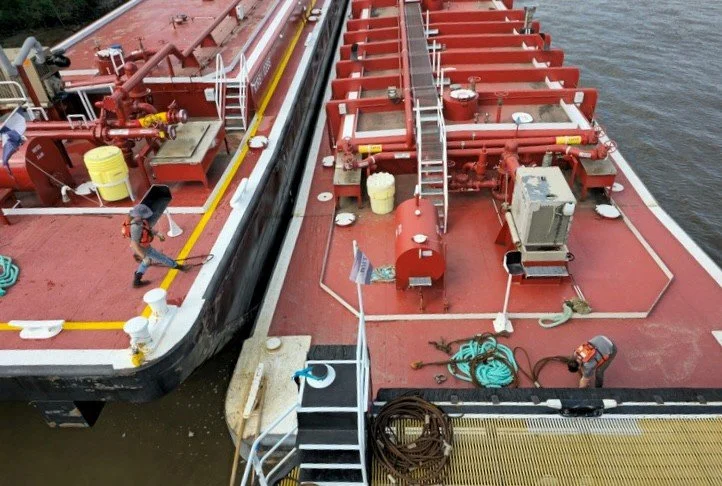
This photo from M/V PARKER JAMES shows many things the deck crew must watch while doing tow work
Deck Crew: Keep Your Eyes on the Line
Let’s be real, working out on the deck and barges is a wild place to work. When you're out putting a tow together, things can go sideways in a split second.
True situational awareness isn't just a company phrase to talk about in meetings, it means knowing exactly what’s happening around you, spotting the traps, and noticing the next danger before it even happens. Think of your awareness as the most important piece of PPE you own.
Quick Habits to Live By on Deck:
Steer clear of the line of fire (see the next safety topic!). Never stand in a snap-back zone or a bight. It's not worth it.
Scan for trip hazards. Keep an eye out for loose tools, wires, oil slick, or river ice.
Listen and watch. Visually check your wires and listen for straining timberheads.
Keep three points of contact. Don't rush. Keep a solid grip when you're moving along the tow.
Watch the water. Anticipate those sudden swells or big wakes from passing vessels.
Watch what you walk under. Keep your eyes on things like the crane and any suspended rigging or the skiff.
Check your footing. Make sure you're on stable ground before you put your weight into a push.
Stay present on every single watch 👀
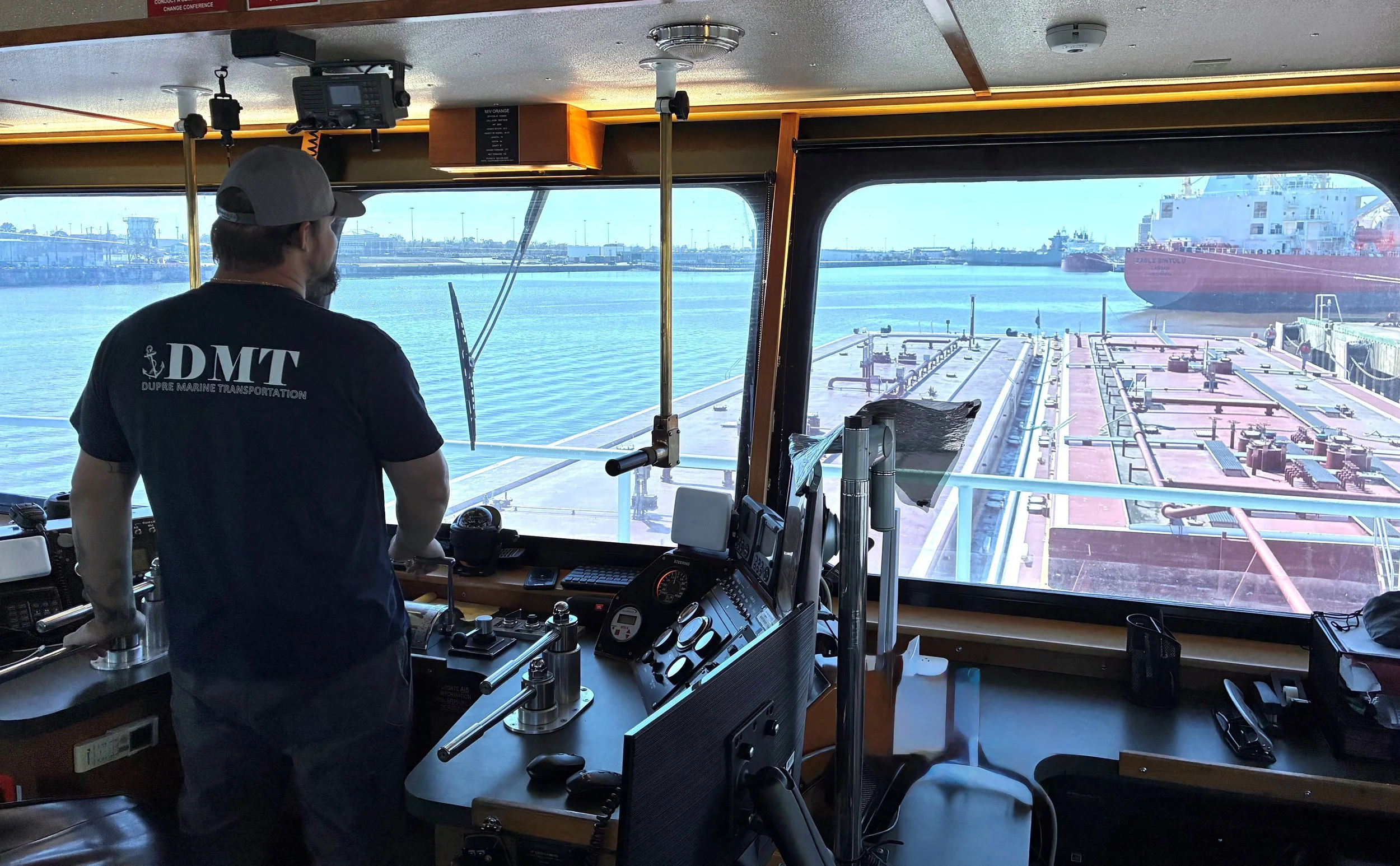
Great example of Situational Awareness from Captain Rob Conklin on the M/V ORANGE
Wheelmen: Anticipating the Next Mile
From the sticks, situational awareness is like playing chess with the waterways. You must manage the big picture while staying dialed into every tiny movement of your tow.
Quick Habits to Live By in the Wheelhouse:
Plan your voyage in detail early. The voyage plan is just the map. Always anticipate how the current, tide or weather is going to play with your specific tow setup.
Print any emails for you and the next watch. If you get emails and notifications for things like traffic, channel obstructions or bridge/lock delays or issues, pass on that info. Normal voyage plans can change.
Track your crew. Know exactly where your deckhands are working at all times. No exceptions.
Keep your eyes moving. Treat your radar, AIS, Rose Point and engine gauges like a continuous loop.
Read the banks. Watch the trees, buoys, obstructions, objects and structures to gauge your actual drift. Pass on the info too!
Keep the radio clear. Keep a sharp ear out for nearby traffic and bridge tenders.
Double-check your commands. Make sure the crew repeats back and understands every steering instruction. DART!
Check your own battery. Know when a long watch is starting to slow down your reaction times.
Use Sterile Wheelhouse to keep focus. We preach it all the time to use this tool to cut the noise:
Cutting Through the Noise!
Alarms, radios, and screens can get overwhelming fast. When the navigation gets tight—like locking through or flanking a nasty bend—it’s time to shed the distractions! Kill the non-essential electronics and tell the crew to keep the radio chatter strictly to business. Your focus is what keeps everyone on board safe. Use Sterile Wheelhouse to stay aware!
KEY NOTES FROM ONE OF OUR WEEKLY VESSEL MEETINGS:
This key takeaway sums up “SITUATIONAL AWARENESS”.
In a recent weekly meeting, Port Captain Jade shared a wake-up call that every crew member needs to hear. He walked us through an incident where a towboat got hit by a larger vessel. The scariest part? The wheelman reportedly never even saw the other boat coming until it was too late.
It’s a brutal reminder of how easily tunnel vision and basic distractions can sneak up on you. Out on the water, losing focus for a minute isn't just a mistake, it’s dangerous. Let’s keep each other safe by locking in on these core expectations:
🔹 Don't Get Tunnel Vision
Heavy traffic, lock delays, fleet work, docking, or dealing with dredging operations can easily suck you into a single task. But you can't let one job blind you to everything else. While you’re working, always ask yourself: "Who is around me, where are they going, and what could change in the next few minutes?"
🔹 Scan 360 Degrees, All the Time
Continuously check ahead, astern, and both sides of your vessel. Regularly cross-reference your radar and AIS with what you see out the window. Never assume another vessel sees you. Watch out for overtaking boats, crossing traffic, assist boats, and weekend recreational traffic. If you're operating a light boat, you need to be looking behind you just as much as you're looking forward.
🔹 Ditch the Distractions (Seriously!)
Personal cell phone use is still a major problem in our industry. Remember, if something goes sideways, the Coast Guard will routinely review your phone records, and company wheelhouse camera footage will be pulled. When you are on watch, your phone needs to be down, and your focus needs to be entirely on navigation and vessel operations.
🔹 Talk Early, Talk Clear
Don’t wait until a situation gets tight to jump on the radio. Get on the horn early to clarify passing arrangements before things become critical. If you are working with assist vessels, make sure they know exactly what you expect and what the maneuver plan is before anyone gets to work.
sAFETY questionnaire for ⚠️SITUATIONAL Awareness⚠️
(Required FOR ALL VESSEL EMPLOYEES)
Test your safety habits when it comes to Situational Awareness! Please answer all 4 even if it it deck or wheelhouse focused.
SAFETY TOPIC #2:
stay out of the line of fire!
Let’s talk about a silent threat that doesn't tap you on the shoulder before it strikes: the Line of Fire.
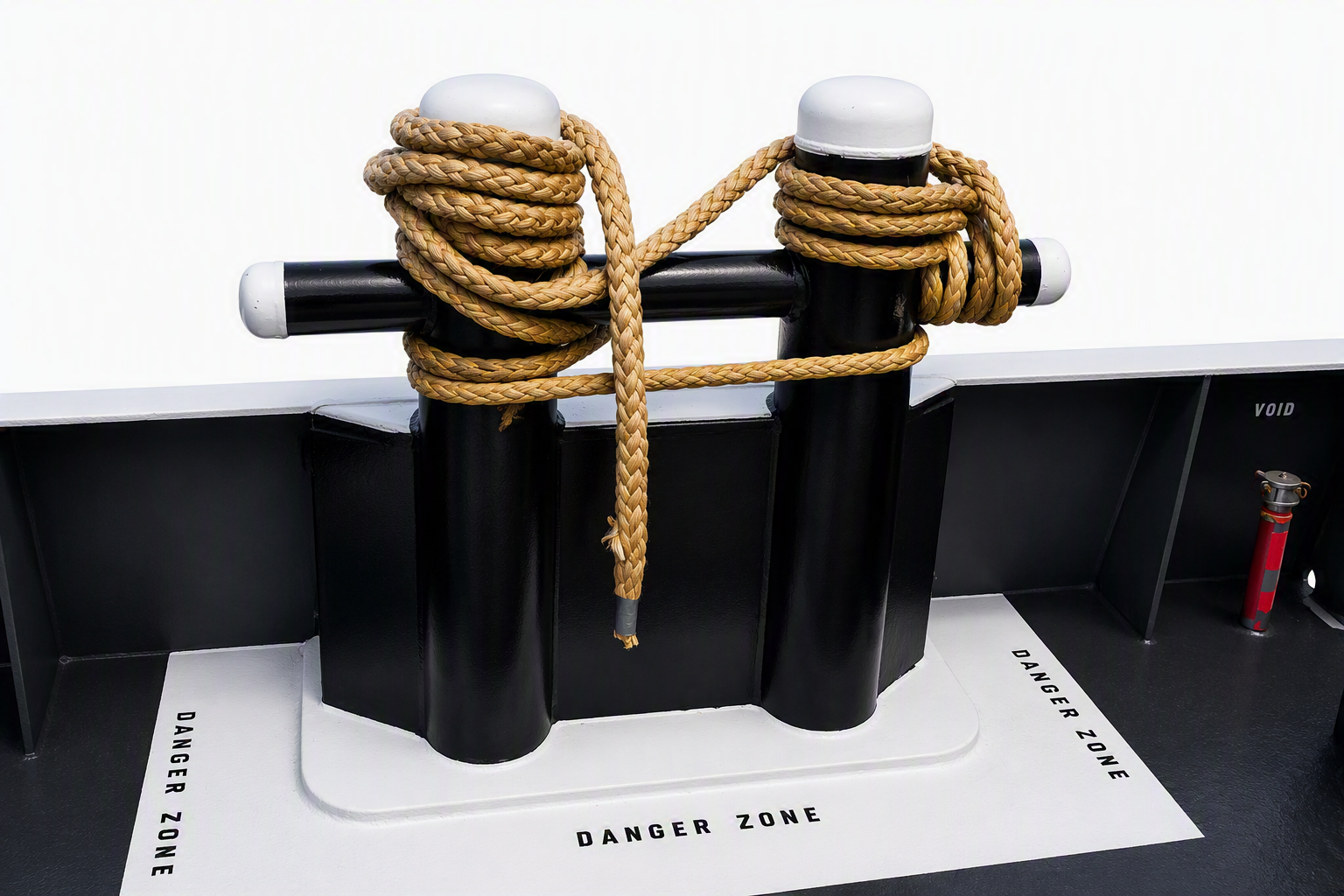
Simply put, being in the "Line of Fire" means you are standing right in harm’s way. It happens whenever the path of a moving object meets a part of your body.
Out here on the water, that’s a battle your body will always lose. Whether you are a deckhand throwing lines or a Tankerman turning valves during a cargo transfer, putting your body in the wrong spot can turn a routine watch into a serious injury in a split second. Working out on the water, tension, pressure, and heavy machinery are always at play. Staying safe means constantly asking yourself: "If this piece of equipment fails right now, where does that “energy” go?"
⚓ For the Deck Crew: Rigging, Wires, and Ratchets
When we are pushing barges, the amount of stored energy in our gear is massive.
Watch the Bight: Never step into the bight of a line or wire rope. If it catches or takes a strain, it will sweep you right off your feet.
Snap-Back Zones: Synthetic lines and steel wires don't just break; they snap back with deadly force. Know where the recoil path is and stand clear when lines are being tensioned.
Ratchet Rebound: When tightening or releasing ratchets, keep your body and face out of the direct swing path. If a tooth slips, that handle becomes a weapon.
The "Bump" Warning: Keep your head on a swivel during locking, docking, or coupling. A sudden bump can send a piece of rigging—or you—flying. Always walk down the middle of the barge.
⚓ For the Tankermen: Stored Pressure and Moving Parts
Cargo transfers come with their own set of hidden lines of fire.
Stored Pressure: Treat every hose, valve, and pump connection as if it’s fully pressurized. When blanking or breaking a connection, never stand directly in front of it. Work from the side so a sudden spray doesn't hit you.
Hand and Finger Placement: When turning a valve or securing a dome lid, keep your hands on the designated handles. Never place your fingers where a slipping tool or heavy lid can crush them against a flange.
Hose Handling: Cargo hoses are heavy and clumsy. When maneuvering a hose into place, make sure you aren't caught between the hose and the barge coaming or railing if the crane or winch makes a sudden move.
Before you step into any task, always take a second to ask yourself: "Am I in the line of fire?"
Most Line of Fire incidents fall into three major traps:
Caught-in or between: Getting pinned between tow wires, head lines, or barges.
Struck-by: Getting hit by a moving object, like a skiff swinging during crane ops.
Released energy: The violent, unexpected snap of a mooring line under tension.
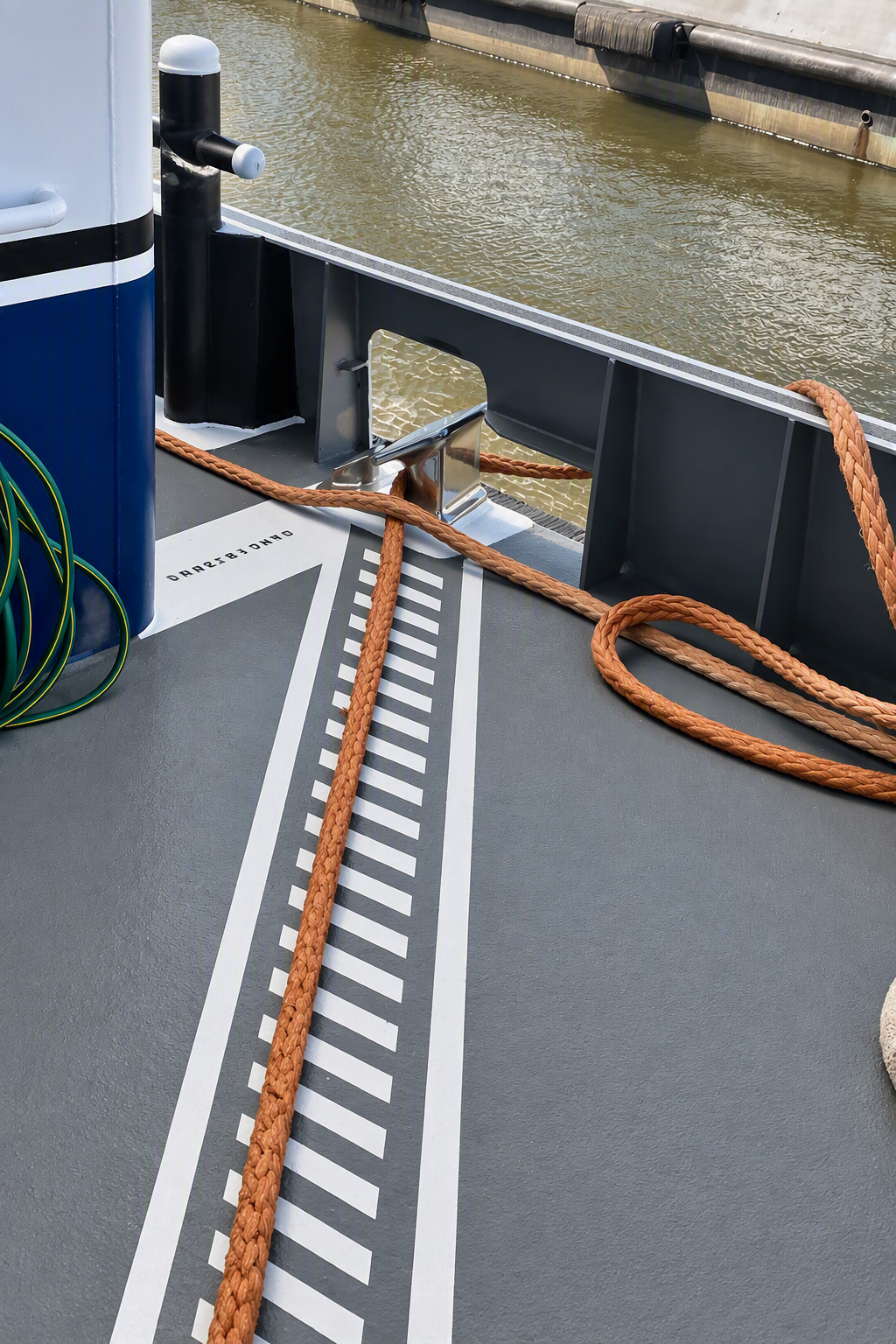
What’s Tripping Us Up?
Keep an eye out for these four danger zones:
👀 Blind Spots (Visualization): IF THE WHEELMAN ON WATCH CANNOT SEE YOU, HE CANNOT PROTECT OR WARN YOU. Fleet deck clutter and physical obstacles are blocking the Captain's view of the deck crew. Let's clear the clutter so the eyes in the wheelhouse can see the main deck! Make your rounds and clear all decks and walkways.
🧠 Complacency: Doing the same job every day can make us lazy. When the routine becomes habitual, we stop thinking about what could go wrong. Never let "the way we've always done it" blind you to an actual hazard. (SEE THE SITUATIONAL AWARENESS SAFETY TOPIC ABOVE!)
🗣️ Broken Communication: Vessels are getting too quiet. Crews are jumping into action before radios crackle or hand signals are confirmed. Always wait for that confirmation before you throw a switch or cast off a line. USE D.A.R.T. an absolute must for communication. Simply repeat back what you were told, this confirms you are aware and understand.
🚨 Rushing & Zoning Out: Hurrying up leads to sloppy body placement. When we rush, we lose our situational awareness and accidentally step right into the danger zone.
⚠️ JSA’s or Pre-Task Huddles for mooring a barge and all tow work: Line of Fire and pinch points must be covered as potential risks.
REMEMBER, ALWAYS LOOK OUT FOR YOURSELF AND YOUR CREW MEMBERS!
sAFETY questionnaire
🚧 Line of Fire Safety Quiz 🚧
(Required FOR ALL VESSEL EMPLOYEES)
⚠️
It is the goal of Dupre Marine that all employees work safe hitches and go home to their families after their hitch is completed
Survey for Dupre Marine Employees: Newsletter feedback
We ask all employees to take a couple minutes to participate in this optional survey about our Newsletter. Your feedback is appreciated!
DUPRE MARINE’S ANNIVERSARIES for third Quarter 2026
JULY 2026:
Derrick Jarman: 5 Years
Jade O’Neal: 7 Years
Calvin Self: 13 Years
Avrey St Amant: 1 Year
Anthony Nunez: 3 Years
Joe Grizzard: 5 Years
Kyle Thibodaux: 3 Years
AUGUST 2026:
Blake Williamson: 1 Year
Chad Verdin: 12 Years
Michael Ortego: 11 Years
Larry Foussell: 4 Years
Tyler Constant: 5 Years
Blake Bruce: 2 Years
Jeremy Scholz: 7 Years
Kory Guidry: 3 Years
Kenny Jennings: 4 Years
SEPTEMBER 2026:
Devon Randall: 1 Year
Alva Dupre: 23 Years
James Davis: 11 Years
Jacob Dupree: 1 Year
Tommy Champagne: 5 Years
Louis Williams: 2 Years
Rickie Fitzsimmons: 3 Years
Jason McCranie: 5 Years
Oliver Trahan: 2 Years
Cris Simmonds: 3 Years
company news & updates
sHORESIDE NEWS:
Kyle Robichaux, OBT
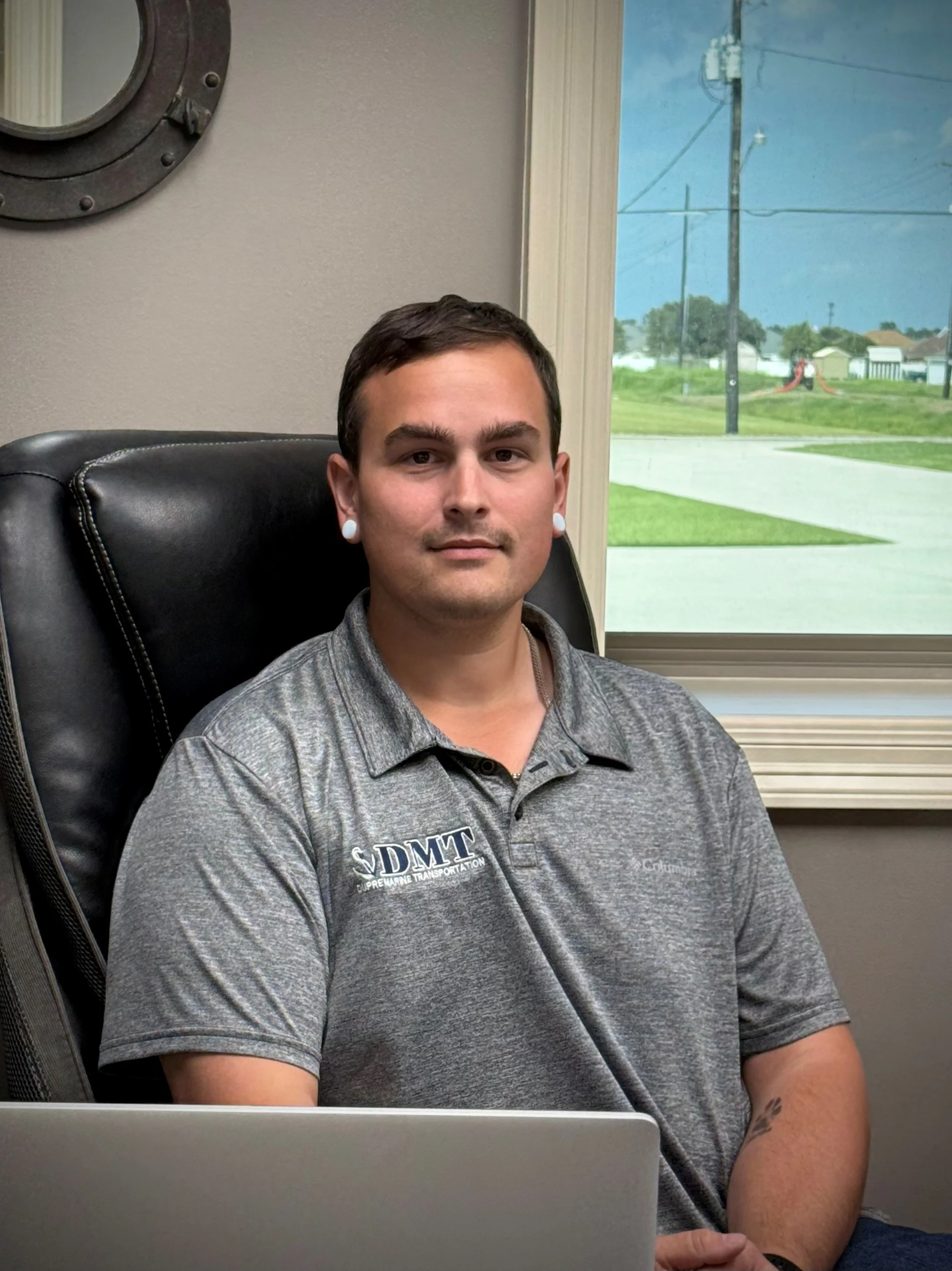
Please join us in giving a big welcome to Kyle Robichaux as he makes the move from the boat to Shoredside as OBT!
Kyle recently worked as a tankerman on the M/V Miss Genevieve, where he built a reputation for hard work, strong leadership, and always putting safety first. He was a tremendous asset to the vessel and earned the respect of Captain James Davis and his fellow crew members. Now, he will be bringing that same experience and dedication ashore, working closely with Kevin Daigrepont and Port Captain Jade O'Neal.
Kyle is no stranger to both sides of the industry, with years of experience working on vessels and in shore-based roles. His knowledge and calm approach under pressure make him a great connection to our Tankermen, deck crews, and operations team.
As Kyle trades in engine checks for emails, barge work for spreadsheets, and watch change conferences for office meetings and he’s doing great already moving into his role on Shore!
When he's not working, Kyle lives in Thibodaux with his wife, Arrianna, and the couple is excitedly preparing to welcome a new addition to their family in the New Year!
Congratulations, Kyle, and welcome to the office!
VESSEL NEWS:
M/V MARY BETH
Blessings, Bottle Smashes, and Big Milestones for the M/V MARY BETH
On August 13th, 2026, the Christening was held for the M/V MARY BETH at Whip's Slip Marina here in Houma. On this beautiful summer night, Mary and Jaimen Dupre were thrilled to share this landmark evening with family, friends, our Shoreside crew, and of course, Captain Brad Autin and the Crew of the M/V MARY BETH and their families. This marks boat #3 for PAC Marine, making it an incredibly special milestone as Jaimen’s very first new build from the ground up!
It was an unforgettable experience for Mary and Jaimen to watch their vision come to life. The M/V MARY BETH is a true masterpiece on the water, blending that towboat capability with a level of luxury and beautiful craftsmanship. From the pristine exterior to the custom-designed interior, every detail was handled with precision. The evening was made even more meaningful with a beautiful blessing of the vessel by Deacon Gary, praying for safety and protection over all who sail on her. To top off the tradition, Mary smashed the bottle to make it official!
A massive thank you goes out to the team at Intracoastal Ironworks, Cut ‘Em Custom Cabinets, and Rhodes Electronics for their exceptional hard work on the beautiful interior woodwork, top-tier layout, and electronics. Captain Brad Autin and his crew absolutely love their new home away from home.
As our fleet grows, we are proud to keep building on our strong traditions and maintaining that signature Dupre Marine family feeling—from our crew members on the water to our team shoreside.
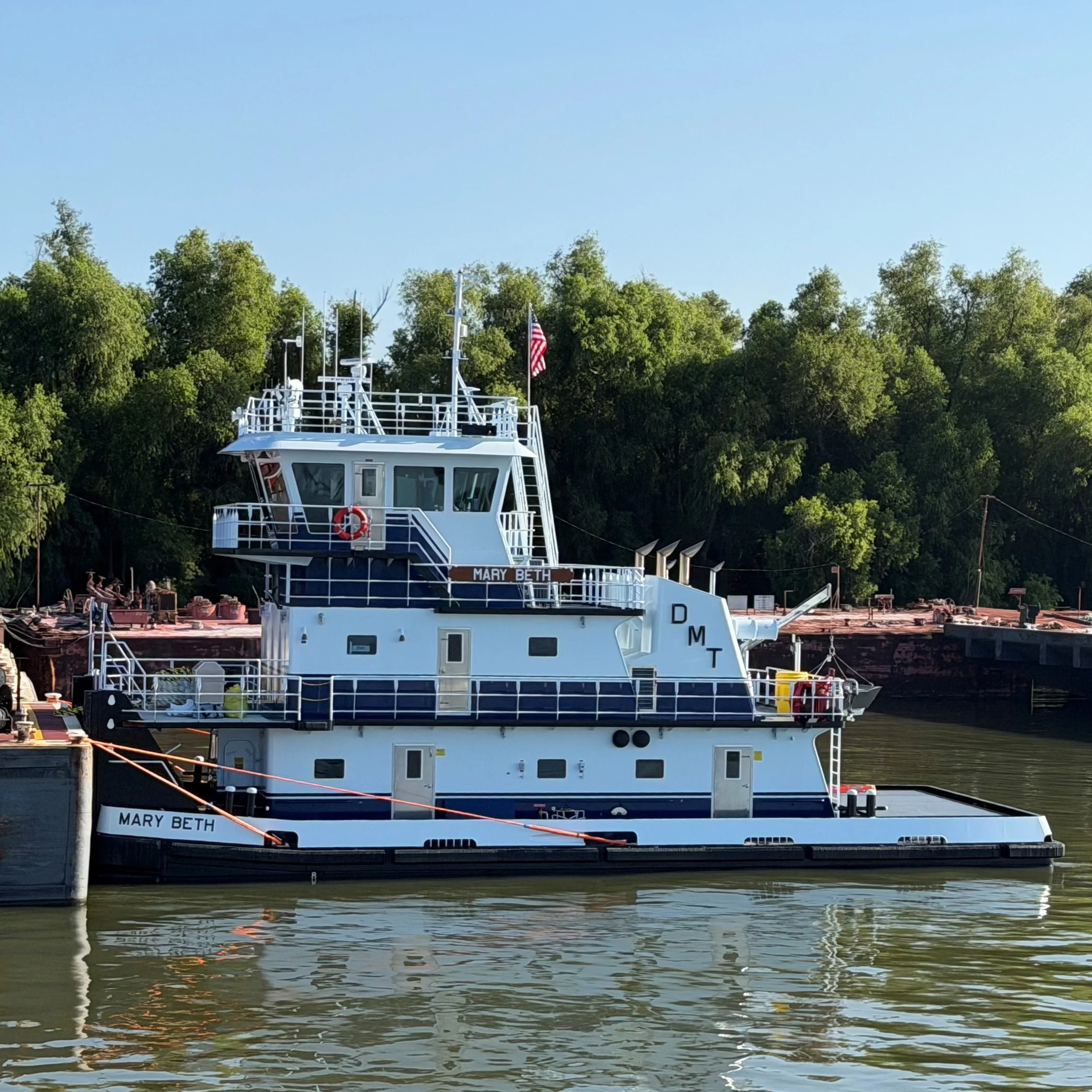
M/V MARY BETH hard at work!
M/V spindletop
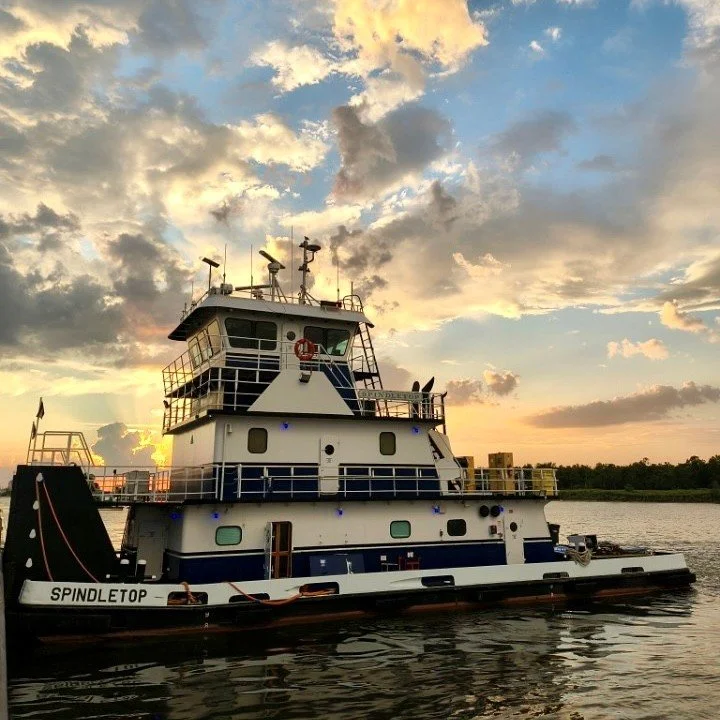
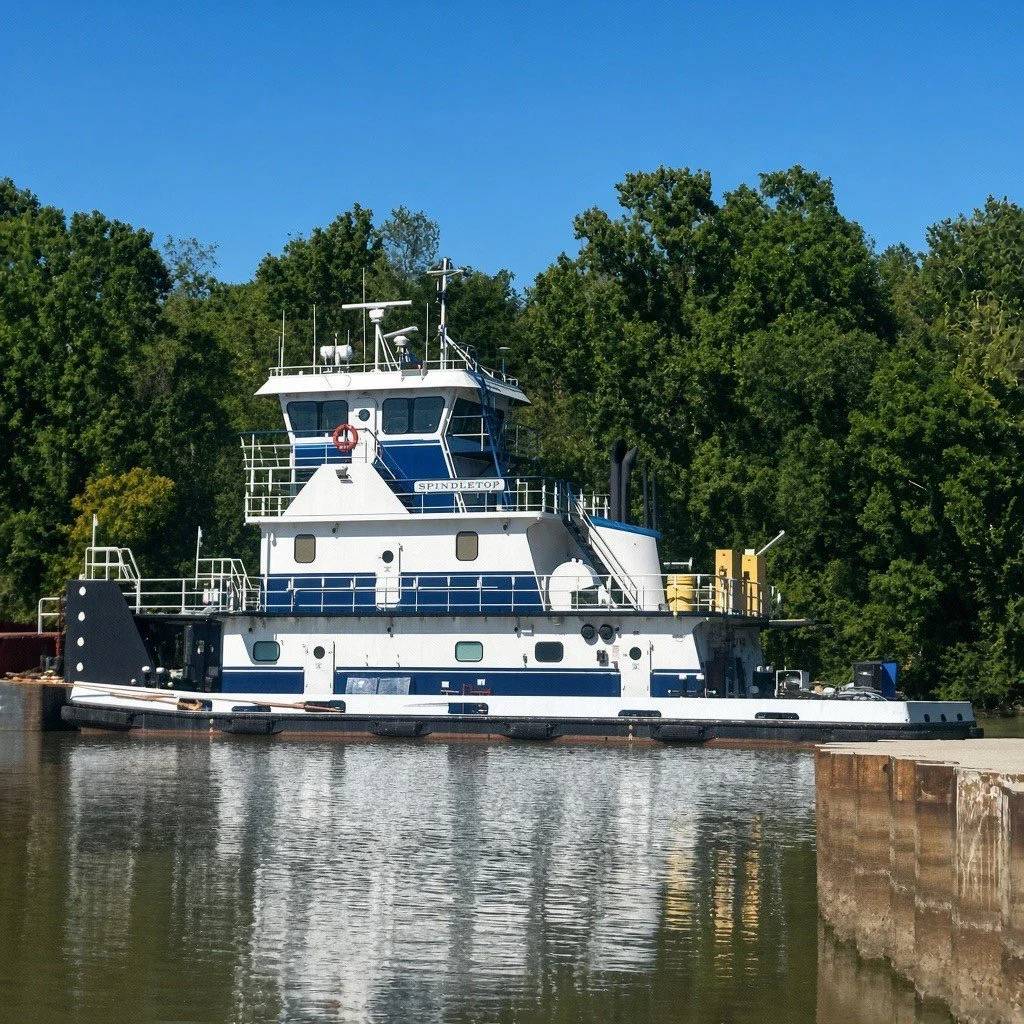
We welcome the M/V SPINDLETOP to our DUPRE MARINE FLEET!
The plan for the M/V MARY BETH and M/V SPINDLETOP were originally a month or so apart, but they ended up both coming out back to back, making our Shoreside Crew work like crazy to make it all happen! Congrats and welcome back Captain Ben Dupre, he and his Crew are working hard getting their boat all decked out in Dupre Marine blue. Excited about this new addition, Captain Ben even found DMT lights to brighten up the inside!
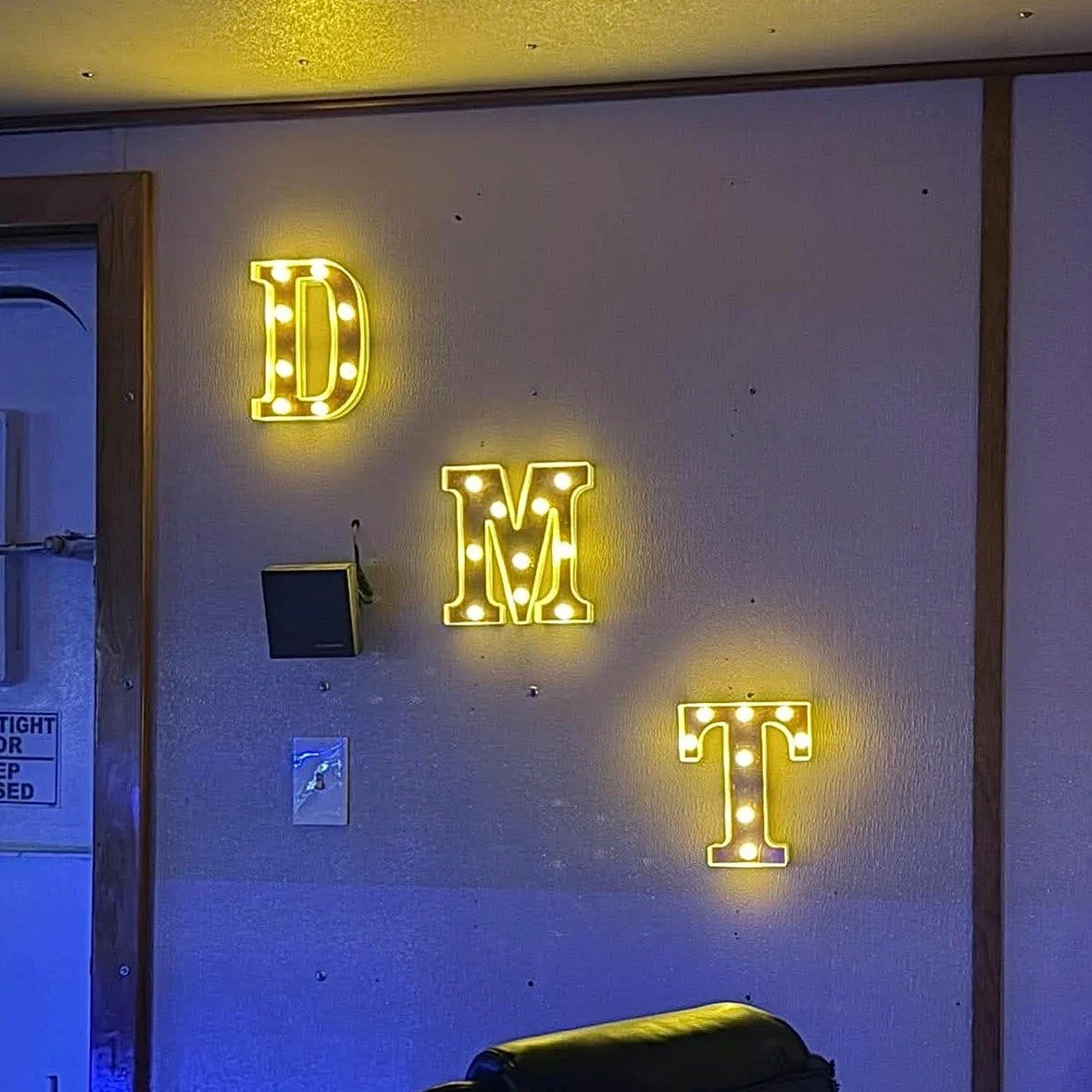
#PRIDEINYOURRIDE inside and out!
NAME CHANGES:
M/V KYLIE MARIE and M/V EVIN CHARLES
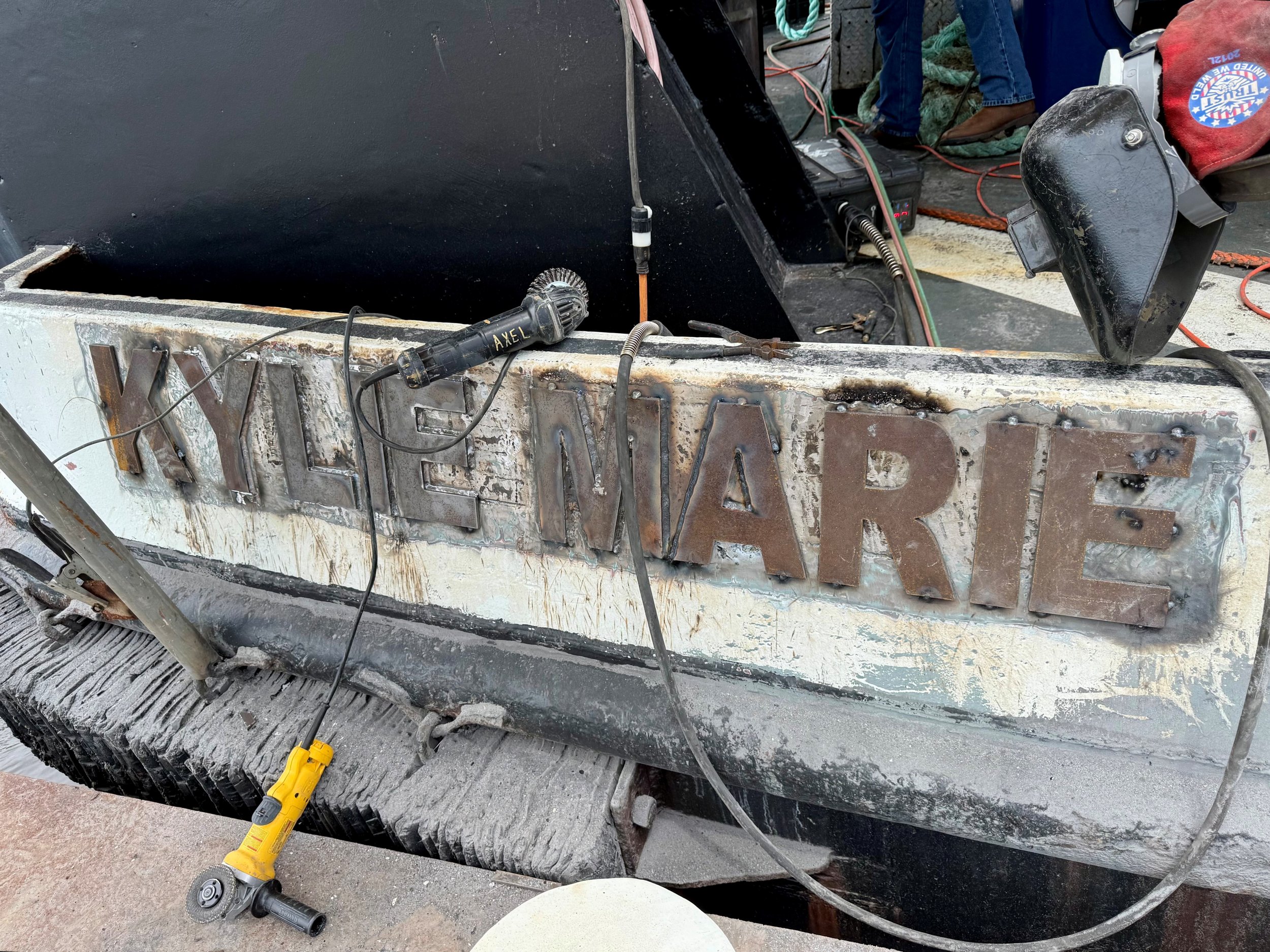
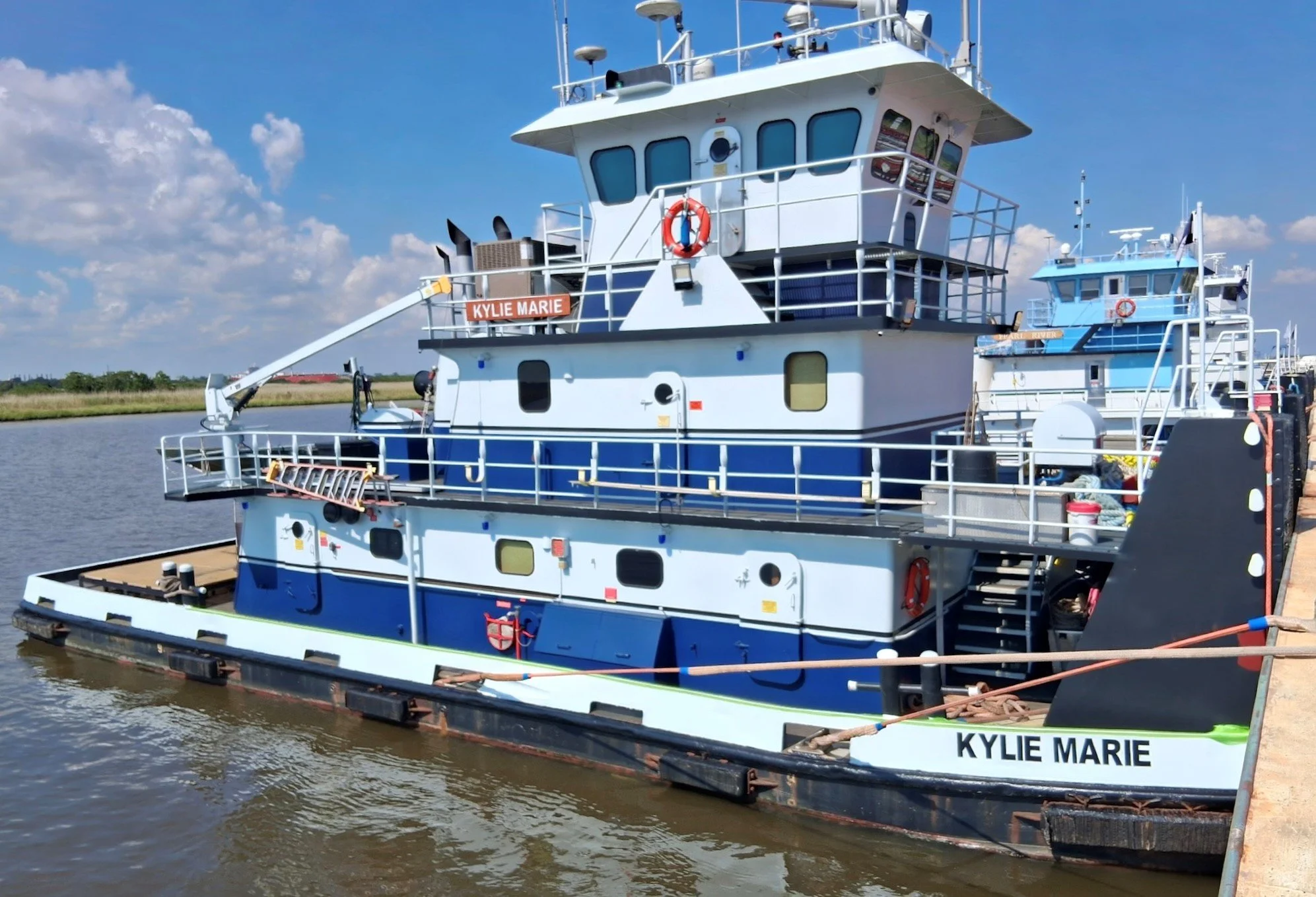
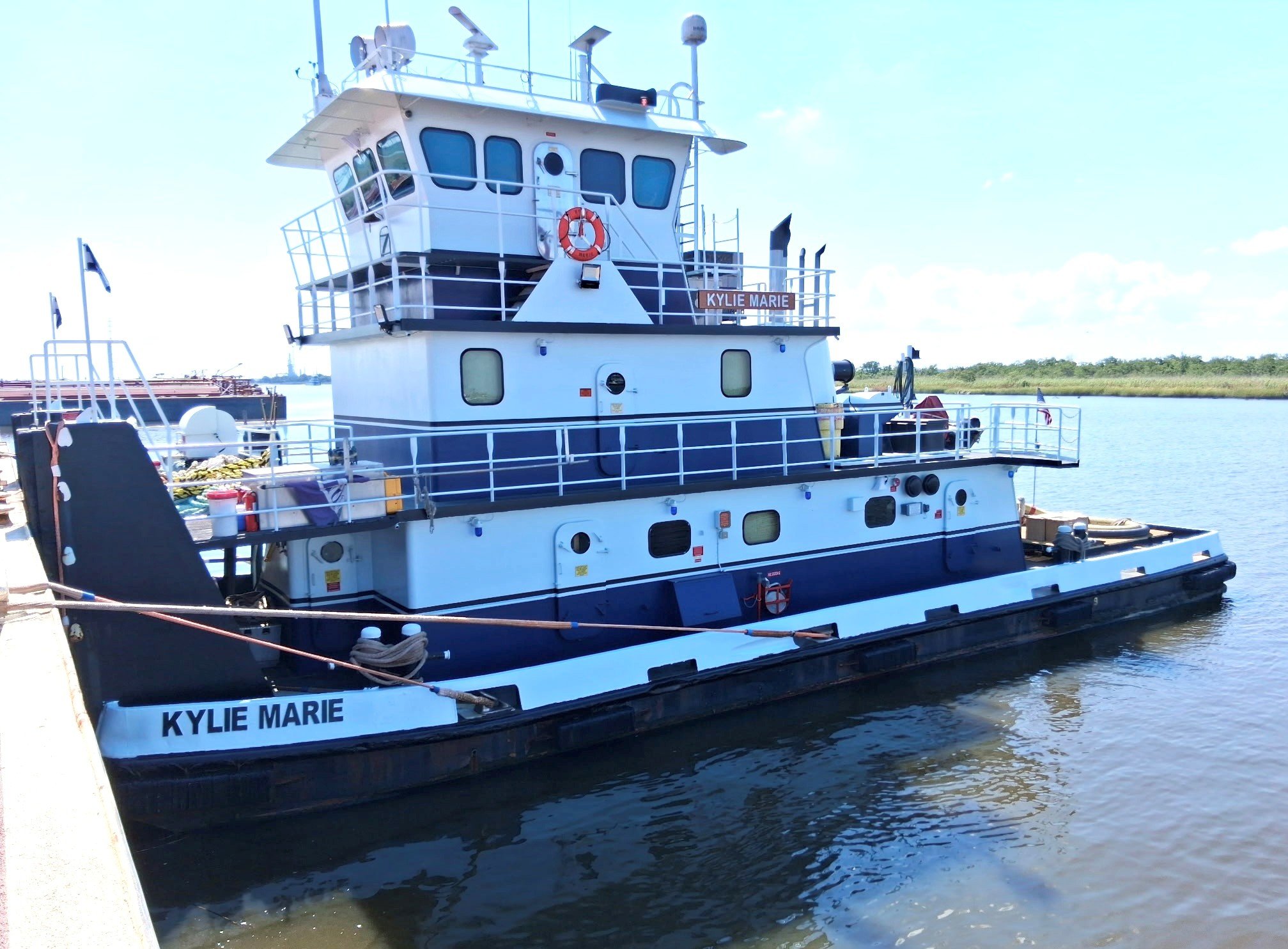
M/V KYLIE MARIE
The M/V Kleberg is now the M/V KYLIE MARIE ~ same stellar crew led by Captain Robert “Woody” Stracner, now showcasing once again Kylie Dupre’s name! And the boat is looking so amazing!
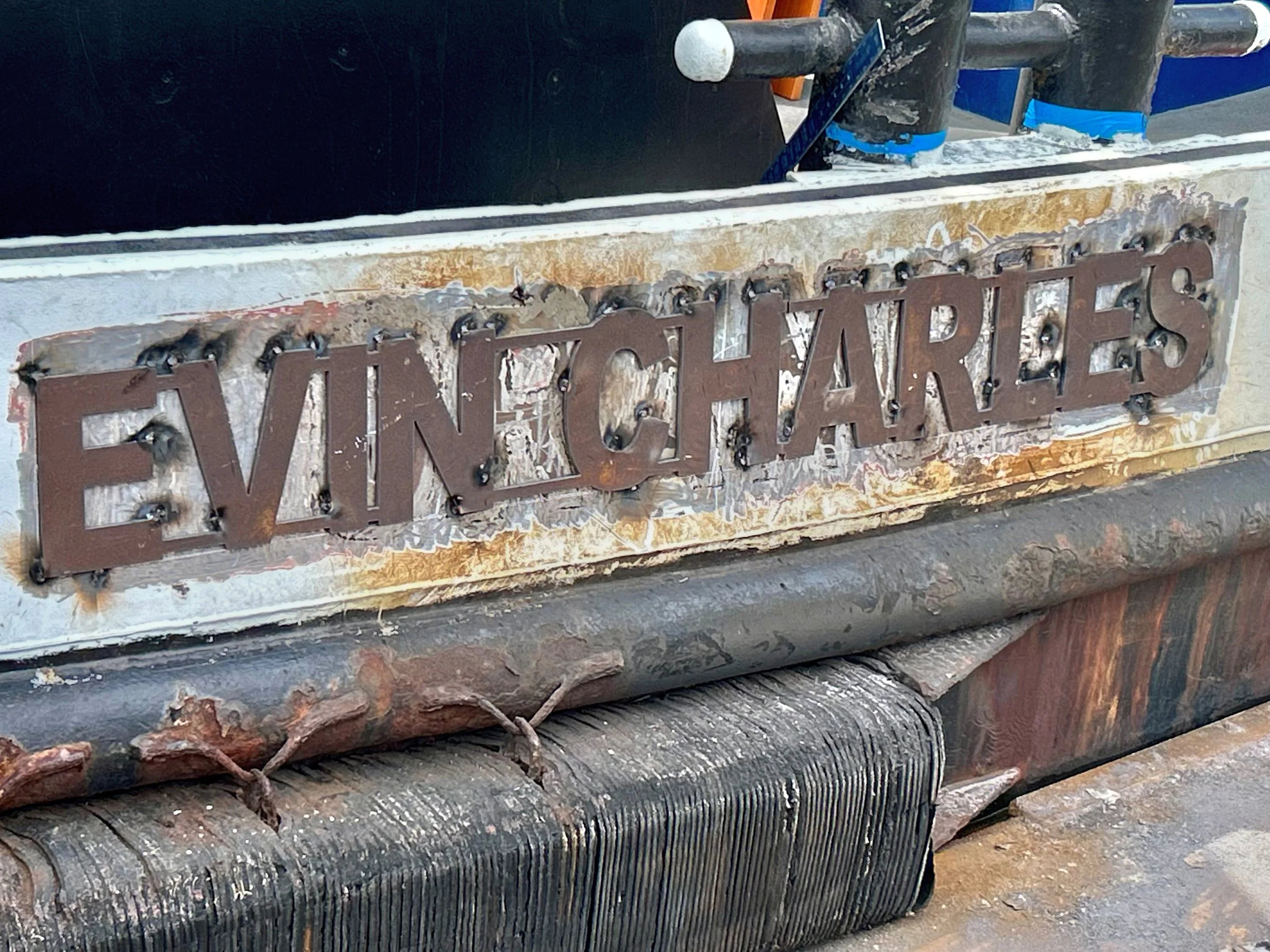
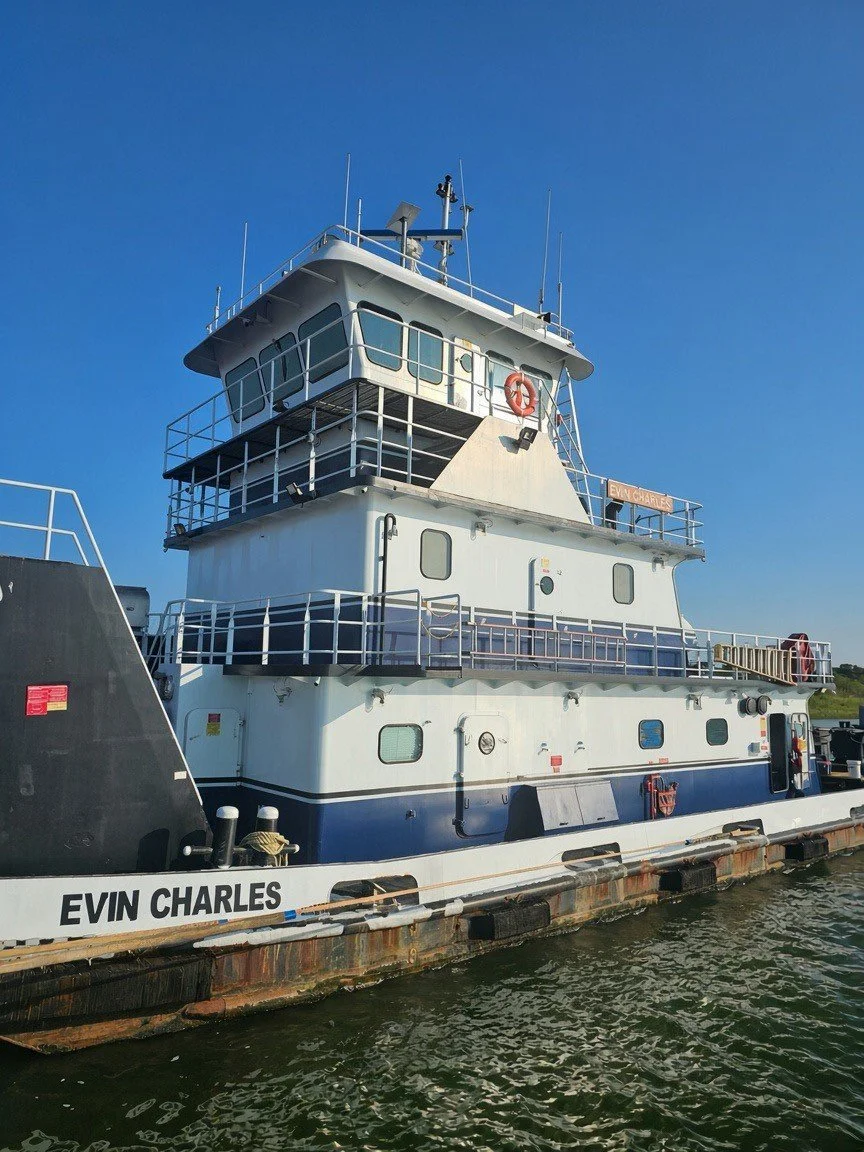
M/V EVIN CHARLES
The M/V Orange is now the M/V EVIN CHARLES ~ the same amazing crew under Captain Rob Conklin, proudly bearing Evin Dupre’s name once again!
DMT Company Info:
Karly is back! If you need sea-time letters please reach out to Karly via email at kboudreaux@dupremarine.com and please give yourself plenty of time as well as giving Karly time. It is a long process and your patience and assitance is necessary to make this go smooth!
If you haven’t already, please join or make changes to your Dupre Marine 401 K plan just call Jamie at the office during office hours.
If you have ANY changes to your personal info, marital/child status, banking info, tax status, please let Jamie or Karly know as soon as possible! You can call during office hours or email directly jrobichaux@dupremarine.com Please also know that any of these changes must come directly from the employee. There is a change of address request on Helm as well and we will all receive the change.
We have a page on this website called DMT Crew Page that is just for our Crew Members. Quick links for the Safety Rewards Program, Uniform Shirts/Hats, Online Training and TWIC Renewal. Check it out and save it to your favorites for quick access. If you have any suggestions to add to this page to make anything easier, please contact Denise and we can try to add that for you.
A reminder ALL deckhands and tankermen who work on any vessel in unit tow service must be clean shaven, regardless if our crew members are tanking or shore tankermen are utilized. Any wheelmen with facial hair must be neat and trimmed as specified by Calvin or Jade for the customer requirements. This is a DMT policy as well as our customers’ policy. It is for your safety.
Stop right now and check the expiration dates on all your credentials (MMC, Medical Card, TWIC, Drivers License, etc). Although we track your info in Helm, lately it is not enough time before expiration. With your time on the boat and the time it takes to get the process done, you could expire and not be able to work. It could take a couple months to several months. Please get with Karly if you need any help with your MMC. And here is the link to renew your TWIC card online https://universalenroll.dhs.gov/programs/twic
This is your livelihood, your career, so keep track of it please! Give a minimum of 6 months for renewal these days!
Do you get stuff shipped to the office for crew change? We are more than happy to get your packages to the vessel, but please help us out and text/call/email to let us know when it is coming so we can look out for it. If it needs to be refrigerated, please provide your own (suggest) Styrofoam cooler, especially in the hot months.
Complete all your current and due online training! This is a compliance requirement, audit requirement and also tied into your Safety Reward Points that will be distributed near the beginning of each quarter. Encourage your crew members to log onto the site once a month to catch up on any upcoming training. Note annual/5 year training becomes available approximately 45-60 days before it is due.
For those who are new or may not know, this website and our social media pages are filled with photos and videos sent in mostly by our crew members and other towboaters. If you have photos you want to share, please send them to Denise via text, email or dm on our Instagram or Facebook pages. If you haven’t done so, please check out all the amazing contributions on all our socials and this website. And we are on TikTok @dupremarinetowboats for any video contributions! And follow us on all sites to increase our viewership.
If any of our crew members would like to contribute content to future newsletters, please email Denise dmorencie@dupremarine.com Whether it is photos, safety topics or just a general fun contribution, we will make it work for you. This newsletter is primarily for our Crew Members!
Office hours are 0800-1700 Monday to Friday, please note the times you contact shoreside during off hours when it is not urgent. If it can wait until office hours, please call then, and of course if it is urgent call the necessary contact person for the problem.
BOOTS
⚠️Steel-toe boots are required and must be in good condition! No exceptions!
Dupre Marine will pay $100 toward new boots: deck crew every 6 months, wheelhouse crew every year. Contact Charmaine or Michael when you need new boots.
You may buy from Joe’s Boots in Houma (we can payroll-deduct any cost over $100) or buy elsewhere (including the safety points site; we’ll reimburse points). Submit your receipt to Charmaine or Michael for reimbursement up to $100. We are now tracking purchases.
Deck crew: boots are essential PPE—keep them in good condition. Captains: you must inspect your crew’s boots upon vessel sign on and check regularly.
Questions? Contact Jade!
If your boots look like this⬆️ call the office ASAP!
SAFTEY/STEEL TOE BOOT REQUIRMENTS
Leather safety boots with steel or composite built-in toe guards, which meet ASTM F2413-05 Standard, ANSI Z41 or equivalent is required to be worn at all times when:
Steel-toed tennis shoes are NOT acceptable
Footwear must NOT have quick lace, protruding hooks
Rubber chemical resistant boots with steel or composite built-in-toe guards are required when splash hazards exist.
SEE VOP 7.5 FOR PPE REQUIREMENTS
submit NEAR MISses OR STOP WORK RESPONSIBILITY

Submitting a Stop Work Responsibility is such an important safety tool.
From Calvin: “Stop Work Responsibility is important because it empowers employees at all levels immediately. It doesn’t matter what your position is, how long you have been employed at the company, or even your overall experience level in the industry. Everyone has the tool, and it is everyone’s responsibility to use it when circumstances dictate. Stop Work removes the red tape and forces everyone to take a look at the hazards.”
pump up those numbers!
〰️
pump up those numbers! 〰️
Every Near Miss or Stop Work report you enter in Helm makes our operations safer. These reports spot hazards early, show patterns we can fix, and allow quick actions to protect crews, vessels, and cargo. Reporting turns a close call into a lesson that helps prevent future incidents and saves lives.
The Near-Miss Checklist
A near-miss is a free lesson. It is an unplanned event that did not cause injury or damage this time, but had the potential to do so. Use this basic checklist during your safety meetings or watch handovers to identify hidden risks before they turn into incidents or injuries. This is in addition to following your ERROR CHAIN CARD to assess all risks!
📋 On-the-Spot Hazard Identification
Line Check: Were any wires, lines, or ratchets strained past their safe limits?
Footing Check: Did anyone slip, trip, or stumble, even if they did not fall?
Position Check: Was a crew member caught standing in a snap-back zone or a blind spot?
Equipment Check: Did a tool, winch, or piece of machinery malfunction or fail during use?
Wake Check: Did an unexpected wake catch the crew off guard or shift the tow unexpectedly?
🔊 Communication & Visibility
Radio Check: Did a breakdown in radio communication lead to a close call or confusion?
Visual Check: Did the wheelhouse temporarily lose sight of a deckhand without realizing it?
Signal Check: Was an incorrect or misunderstood hand signal used during a maneuver?
Traffic Check: Did another vessel approach closer than expected before being noticed?
🧠 Mindset & Environment
Fatigue Check: Did exhaustion cause someone to miss a step or overlook a basic safety rule?
Weather Check: Did sudden rain, ice, fog, or high winds create a hazard that wasn't prepared for?
Rush Check: Was the crew rushing to make lockage or a fleet tie-up, skipping standard steps?
Remember: If you experience or witness a near-miss, report it to the wheelhouse immediately and get it in Helm as soon as you can. Reporting a near-miss protects your whole crew and ensures everyone goes home safe at the end of the hitch.
Your reports matter. Submit them in Helm regularly to improve safety across the fleet and receive recognition from Kirby Inland Marine for your commitment.
High Learning Value Near Misses and Stop Works will also score you extra safety points!
know the correct PPE for any job!
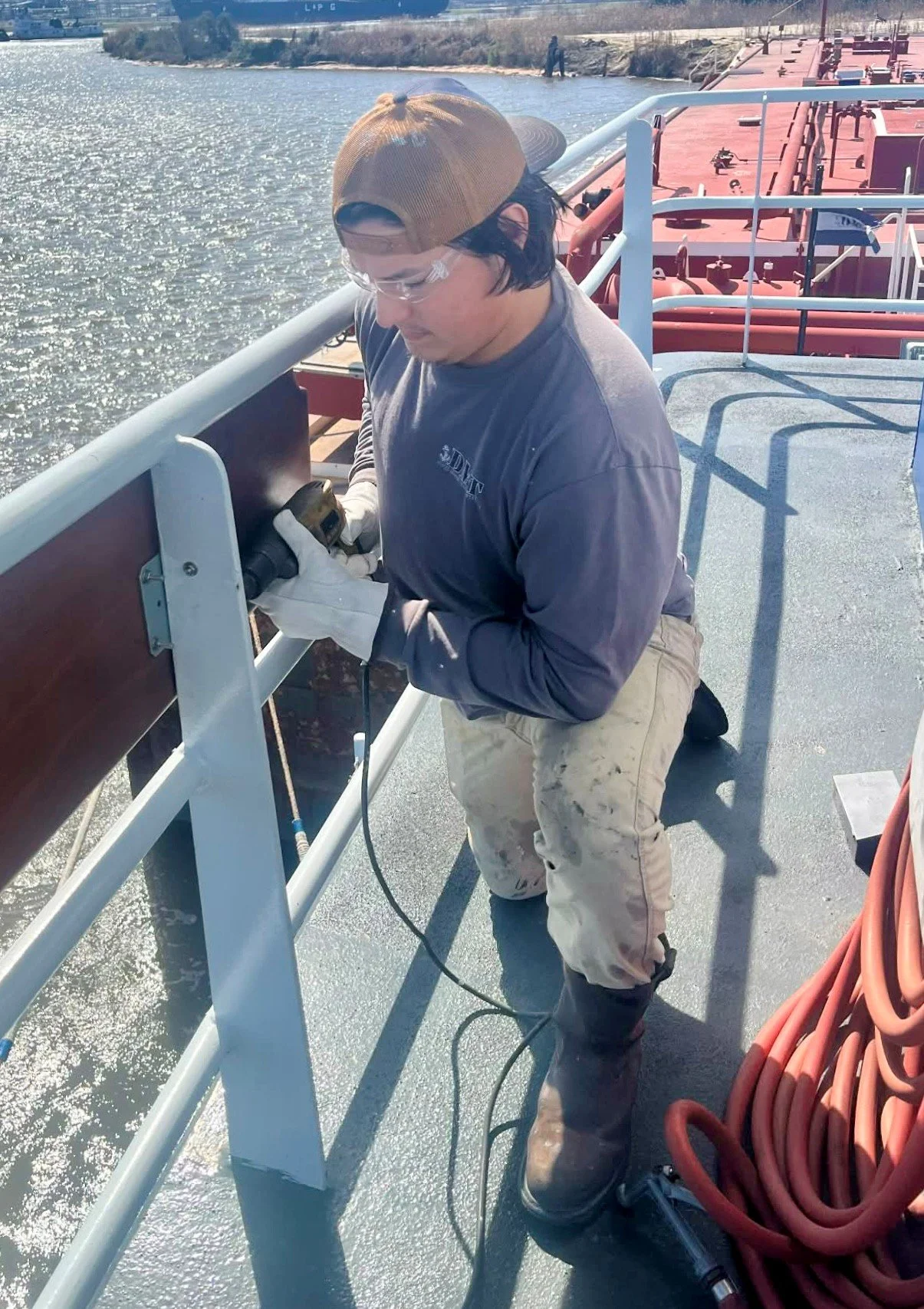
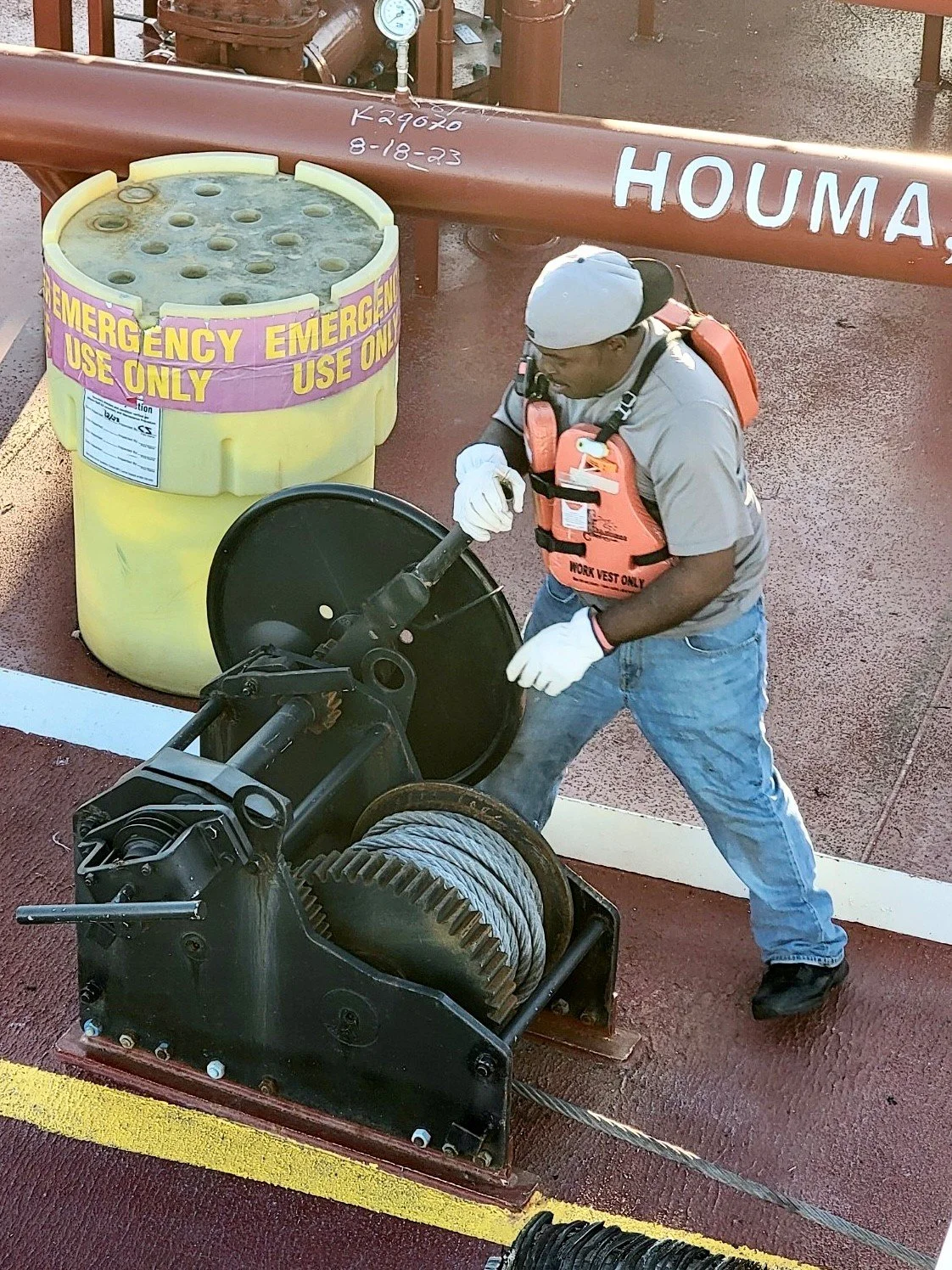
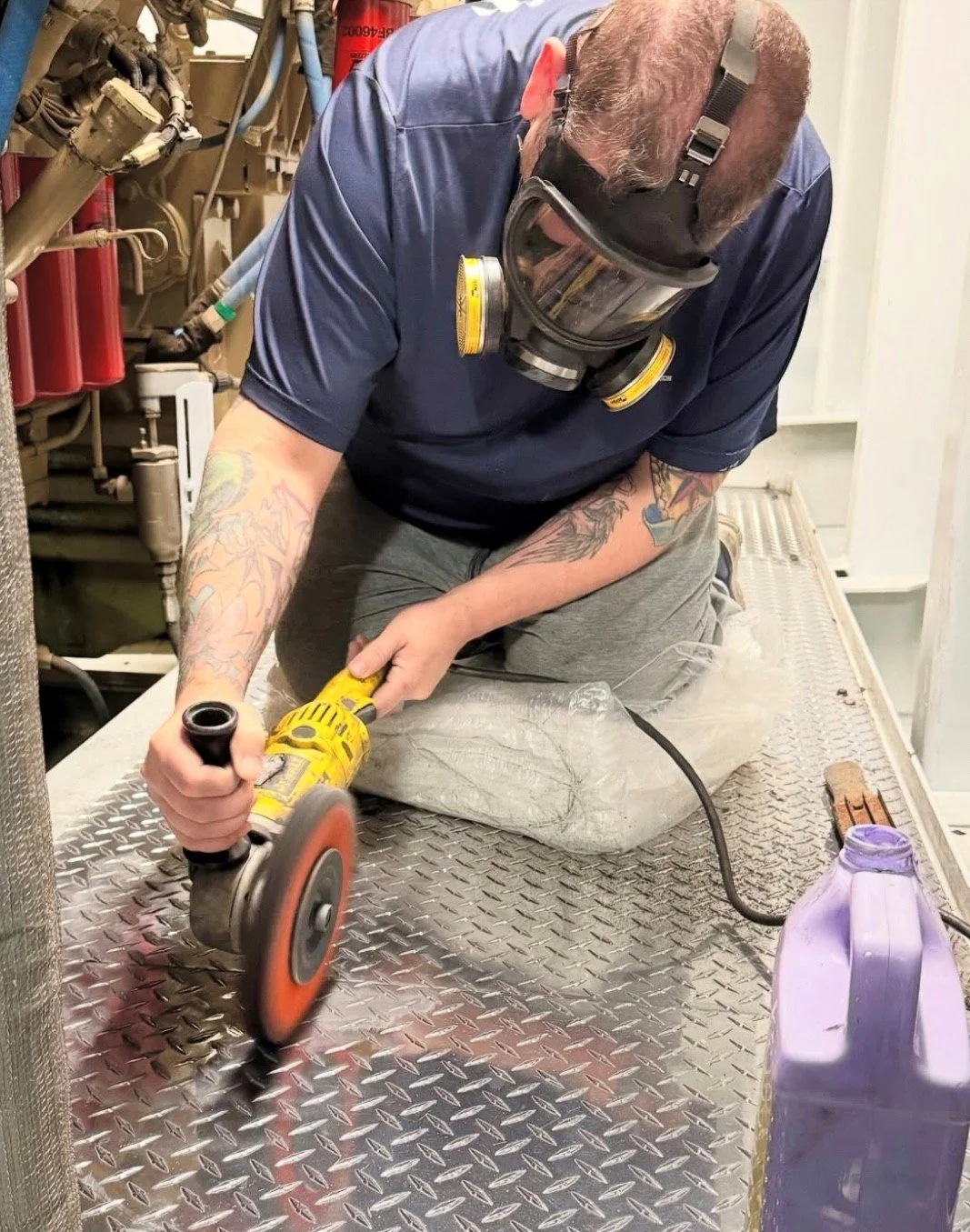
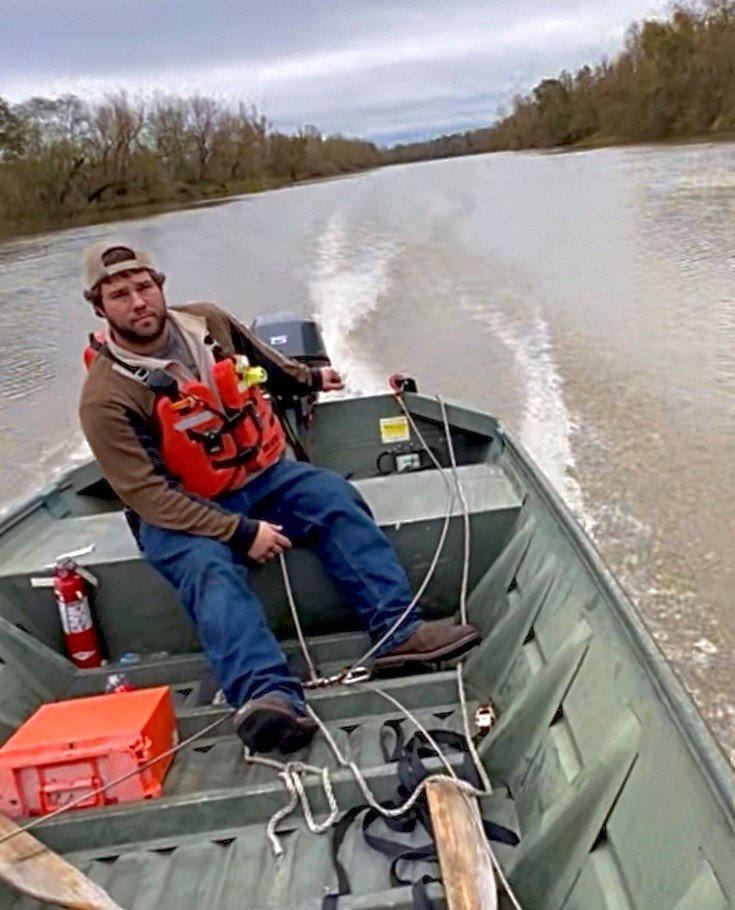
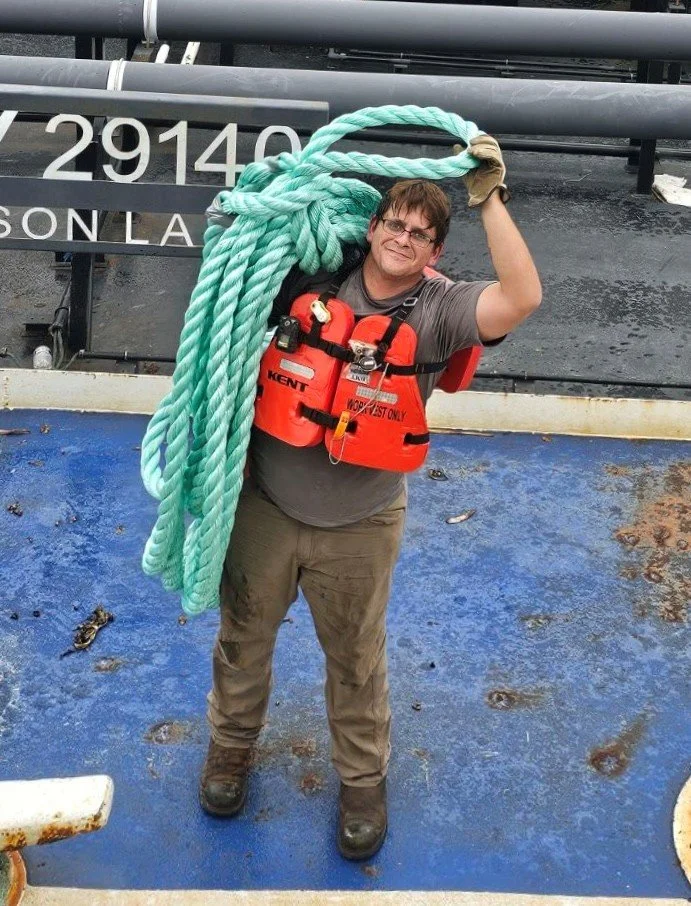
🦺If you have any questions concerning your PPE, please contact Port Captain Jade O’Neal or OBT Kevin Daigrepont
🦺 If you change positions (for example from deckhand to tankerman) please be make sure you have all required PPE for this job.
🦺 Tankermen: Your PPE out on the barge for a transfer can vary from season to season. Please be sure to get with Kevin if you are missing any required PPE!
🦺 Always be ready to work wearing the proper PPE and wearing it correctly! Your PPE will NOT protect you if it is not the correct type, is damaged or worn and if is not on correctly and adjusted properly!
🦺 Be responsible and know what PPE is required to use in your particular work situation Check yourself and ask yourself if you have on what is needed and required to be safe for that job